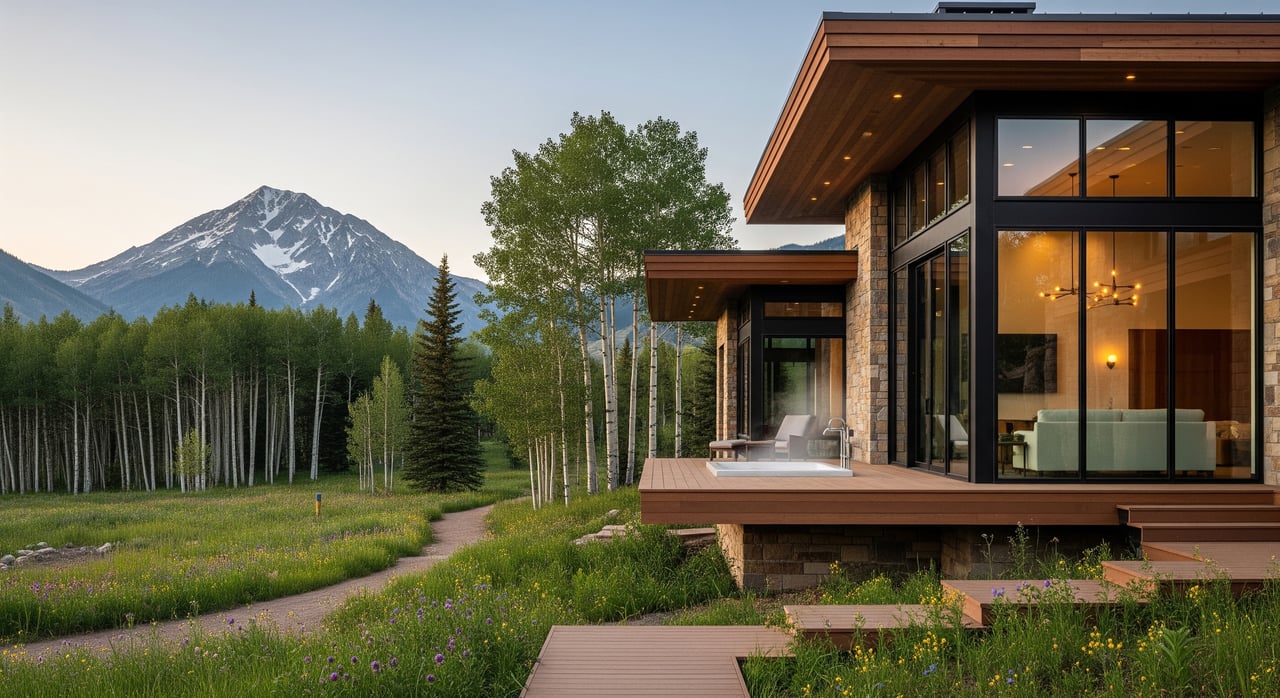
Year-Round Sundance Utah Mountain Living Explained
February 5, 2026
February 5, 2026
If you have ever wondered what it would feel like to make a mountain base your everyday life, Sundance invites you to slow down and lean in. Tucked in Provo Canyon along UT‑189 within zip 84604, it blends a small resort village with quiet neighborhoods and forested slopes. You get four true seasons, privacy, and direct access to trails and river time, with valley conveniences a drive away when you need them. This guide walks you through each season, the daily rhythms, and the practical pieces that help you decide if year‑round Sundance living is the right fit. Let’s dive in.
Sundance lies in a canyon corridor that connects to Provo and the broader Wasatch Front by way of UT‑189. The setting is steep and forested, with the Provo River nearby and homes scattered on slopes and ridgelines. The road in and out is scenic, and it also requires attention, especially when weather moves in. Travel times vary by season and conditions, so you plan with a buffer and check the canyon before you go.
You will find fewer commercial services than in the valley, which is part of the appeal. The tradeoff is you run bigger provisioning trips for groceries, hardware, or medical appointments in Provo or Orem. Many residents keep a simple staging routine: pantry staples stocked, vehicles winter‑ready, and flexible timing for canyon travel.
Winter is when the mountain shines. Ski operations shape the week, with quieter midweek moments and lively weekends. If you live nearby, first tracks are part of your routine. You can head home for lunch, then return for a late‑day lap as the light softens.
At home, winter readiness matters. Roofs, insulation, and heating systems earn their keep when storms stack up. Driveways and access roads need regular snow removal, and many owners plan for snow‑rated vehicles and tires. You feel the comfort of a warm cabin after a day outside, and you also feel the reality of mountain maintenance.
Safety and access shape your planning. The resort manages its ski terrain, while private slopes can have different hazards. Emergency response can take longer than in town, so keeping a basic preparedness kit, backup power options, and a neighbor network is wise. You do not live in fear, but you do live aware.
The shoulder seasons are peaceful. Trails and viewpoints are less crowded, wildlife activity changes with the thaw and color, and the village relaxes. Weather swings can bring snow one day and sun the next, so layers and flexibility are your friends.
Spring thaw can mean mud on unpaved lanes, rockfall potential, and soft trail conditions. Fall can bring crisp, dry days and early dustings up high. This is when homeowners get things done: landscape work, exterior staining, drainage fixes, and systems checks before heat or cold set in.
Local businesses sometimes adjust hours in the shoulder months. You check calendars ahead of dinner plans and expect some seasonality. The upside is space and quiet. You can hike longer, fish a little later, and take in color without a crowd.
Summer days start early and end with cool nights. You step onto trails for hiking, running, or mountain biking. The Provo River draws anglers, and horseback rides and outdoor events fill the calendar. Even when the day warms, evenings settle into perfect patio weather.
Hosting is easy with valley amenities close enough for a quick provisioning run. Weekends can bring more visitors to popular spots, so locals lap early or choose lesser‑known routes. When heat builds in the valley, you feel the difference at elevation in the evening air.
Sundance has a distinct, conservation‑minded character. The village offers lodging, dining, spa services, galleries, and small retail, but on a scale that respects the canyon. Cultural programming tied to the broader Sundance name adds texture through the year, with schedules that shift season to season.
The community is a thoughtful mix of year‑round residents, resort staff, and second‑home owners. Social life leans small and intentional, often centered on shared outdoor time. You wave on the road, trade trail conditions, and keep an eye on weather windows. It is a lifestyle built on proximity to nature and an appreciation for quiet.
Inventory is a blend of resort condos and townhomes, classic cabins, custom single‑family homes, and larger estates. Supply tends to be limited in canyon environments, which means viewlines, privacy, and proximity to the village often carry a premium. Steep sites can come with building constraints, so geotechnical due diligence is common for new construction and additions.
Mountain living concentrates expenses into a few categories. Heating and utilities run higher in cold months, especially if you use snow‑melt systems. Snow removal for driveways and access roads is a recurring line item, and roofs need routine attention. If a property uses a well or septic system, you plan for inspections and periodic service. Communities within resort developments may include HOA or association dues that fund shared road maintenance, snow removal, or amenities.
Insurance and financing can differ from a valley purchase. Wildfire exposure, winter weather, and snow load can affect coverage needs and premiums. Vacation‑home financing varies by lender, so experience with mountain and resort properties is a plus.
Short‑term rental rules vary by HOA, county code, and any resort programs. Demand follows the seasons, with winter and summer peaks. Performance depends on proximity to lifts, bedding count, parking, and in‑home amenities. If rental income is part of your plan, confirm whether a property participates in a managed program and what revenue sharing or restrictions apply.
Power is typically municipal, but water and sewer arrangements can differ by parcel. Some addresses use wells, septic systems, or shared water associations. Broadband availability has improved in many mountain communities, yet performance still varies address by address. Remote work buyers verify wired options, cell coverage, and backup power. Trash, mail, and deliveries sometimes follow canyon‑specific protocols or community mailbox setups.
Living in a forested, high‑relief landscape means weighing benefits against seasonal risks. Winter storms can slow or temporarily close UT‑189. Wildfire is a reality across the mountain‑forest interface, and defensible space becomes part of ownership. Steep slopes can present avalanche or geotechnical concerns near homes, and rapid melt or heavy rain can trigger drainage challenges. Storms can affect power or communications.
Preparation reduces stress. Maintain defensible space and favor fire‑resistant materials. Drive a snow‑capable vehicle, keep appropriate tires, and consider off‑site parking plans during heavy snows if your driveway is steep. For steep parcels, request site‑specific hazard reports and review building siting and drainage. Backup power, potable water reserves, and a communications plan help you ride out outages more comfortably.
If you value privacy, nature at your doorstep, and a slower daily rhythm, Sundance rewards you in every season. You trade big‑box convenience for quiet trails and star‑filled nights, and you learn to plan around the canyon and weather. The right property keeps you connected to the village and the valley while protecting the sense of retreat that drew you here.
Below is a concise set of questions to help you evaluate fit and plan your search.
Ready to explore properties that fit your lifestyle and timing? Connect with the boutique team that lives and works here. Request Private Access and a private consultation with Echelon Luxury Homes.
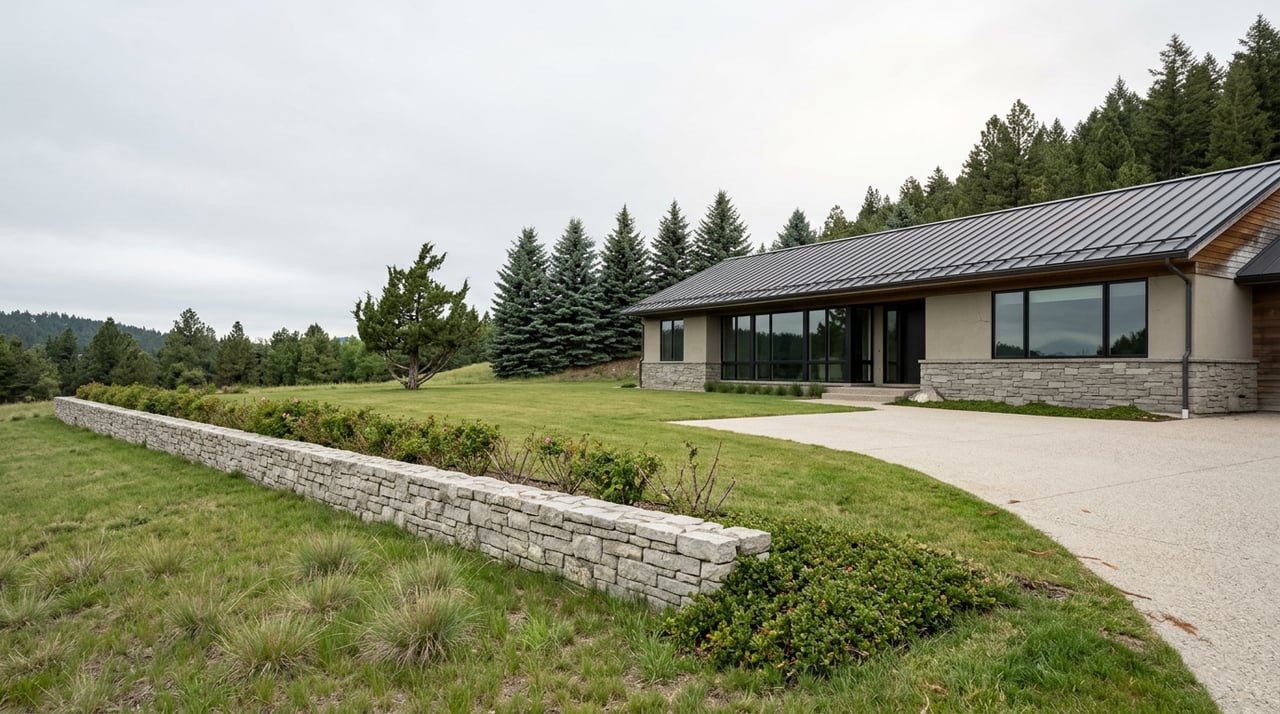

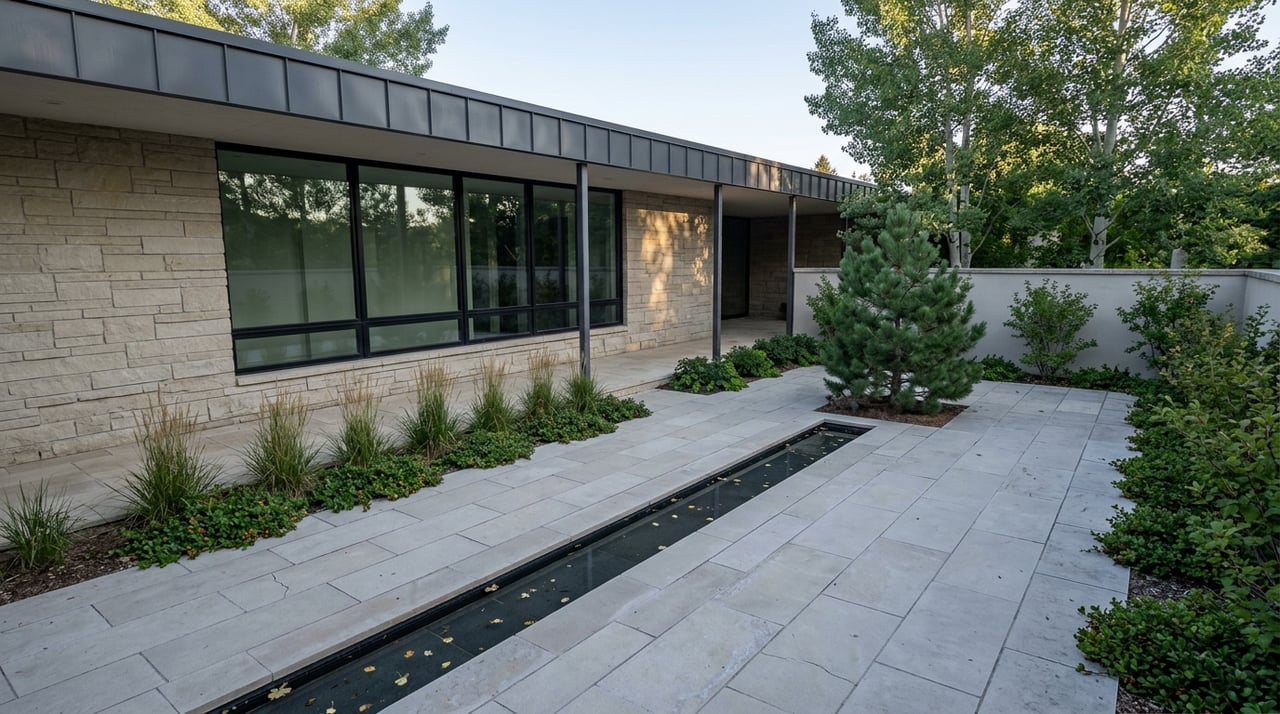
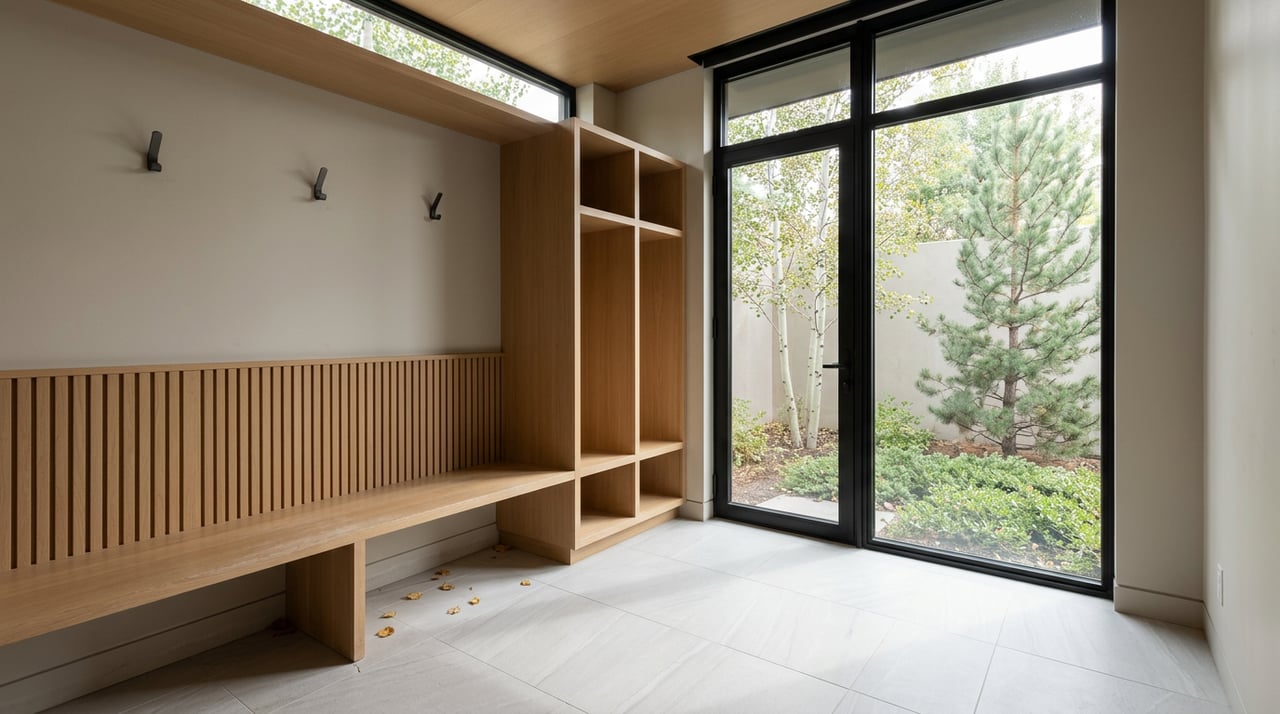
Whether you’re searching for a secluded, Sundance mountain retreat or a custom masterpiece in Wasatch, Salt Lake, or Utah Counties, she offers a concierge-level experience designed to help you find a home that embodies your vision of the extraordinary.