Utah County Jumbo Loans for Luxury Homebuyers
January 1, 2026
January 1, 2026
Are you eyeing a mountain home in Sundance or along the Wasatch Range and wondering if the price means jumbo financing? You are not alone. When list prices push past standard loan cutoffs, the rules for qualifying shift in meaningful ways. In this guide, you will learn what counts as a jumbo loan in Utah County, how lenders evaluate these loans, what affects rates, and how to prepare so your purchase moves forward with confidence. Let’s dive in.
A jumbo loan is a mortgage that exceeds the conforming loan limit set each year by the Federal Housing Finance Agency. Conforming loans can be purchased by Fannie Mae and Freddie Mac. Jumbo loans cannot, so banks and private investors hold or securitize them on different terms.
The “jumbo” label is about the loan amount, not your net worth or the home’s overall price. If your loan amount sits above the conforming limit for the property type, it is considered jumbo. For multiunit properties, conforming limits are higher than for single‑family homes. That means a loan that is jumbo for a one‑unit home might still be conforming on a two‑unit property, depending on the year’s limits.
Common sources for jumbo financing include national and regional banks, credit unions, mortgage banks, and specialized portfolio or non‑QM lenders. Product menus vary, with options like conventional jumbos, portfolio loans, bank‑statement programs for non‑W‑2 borrowers, and private lender offerings.
In Utah County, the jumbo cutoff is tied to the FHFA conforming loan limit for the year you buy. Utah County is typically not classified as a designated high‑cost county, so the local jumbo threshold generally tracks the national baseline. Any loan amount above that baseline is considered jumbo.
Because limits change annually and differ by unit count, confirm the current year’s FHFA conforming loan limits before you set a final budget. If you are considering a duplex or a larger multiunit residence, those higher conforming ceilings could keep your financing in the conforming space even at a larger amount. If you plan to purchase a single‑family retreat in places like Sundance, Alpine, or Highland, prepare for jumbo terms when your loan amount exceeds the year’s one‑unit limit.
Local market conditions also shape how often jumbo financing is used. In luxury segments where custom architecture, ski proximity, or acreage drive values, many purchases exceed conforming cutoffs. Inventory, price trends, and demand cycles influence how competitive jumbo rates and terms will feel at the time you shop.
Jumbo lenders use more detailed reviews than standard conforming mortgages. While criteria vary by lender and product, you can expect closer attention to income stability, liquid reserves, and property valuation.
Jumbo pricing changes with market conditions and investor appetite. Your personal profile and the property type will influence the quotes you receive.
Historically, jumbo rates were often higher than conforming because of lower liquidity and higher perceived risk. More recently, the spread has narrowed in many cycles. With excellent credit, strong reserves, and conservative loan to value, you may see jumbo pricing that is competitive with conforming options. Pricing still varies widely by lender, product type, and documentation program.
Market volatility can affect jumbo quotes more quickly. Compare written Loan Estimates, understand each lender’s lock period, and ask whether a float‑down option is available if rates improve. Align your lock with your appraisal timeline and any custom property due diligence that could extend closing.
Expect more variability in fees on jumbo loans than with standard conforming loans. Portfolio lenders may charge higher origination or underwriting fees in exchange for flexible guidelines. Review lender credits, discount points, and third‑party fees side by side when you compare offers.
Some jumbo programs offer interest‑only payments for a set period or adjustable‑rate structures. These can align with specific cash flow strategies, but they add complexity and risk. Make sure the reset periods and payment changes fit your plans for holding the property.
Use this checklist to position your jumbo application for a smooth approval:
Your situation may call for a different structure:
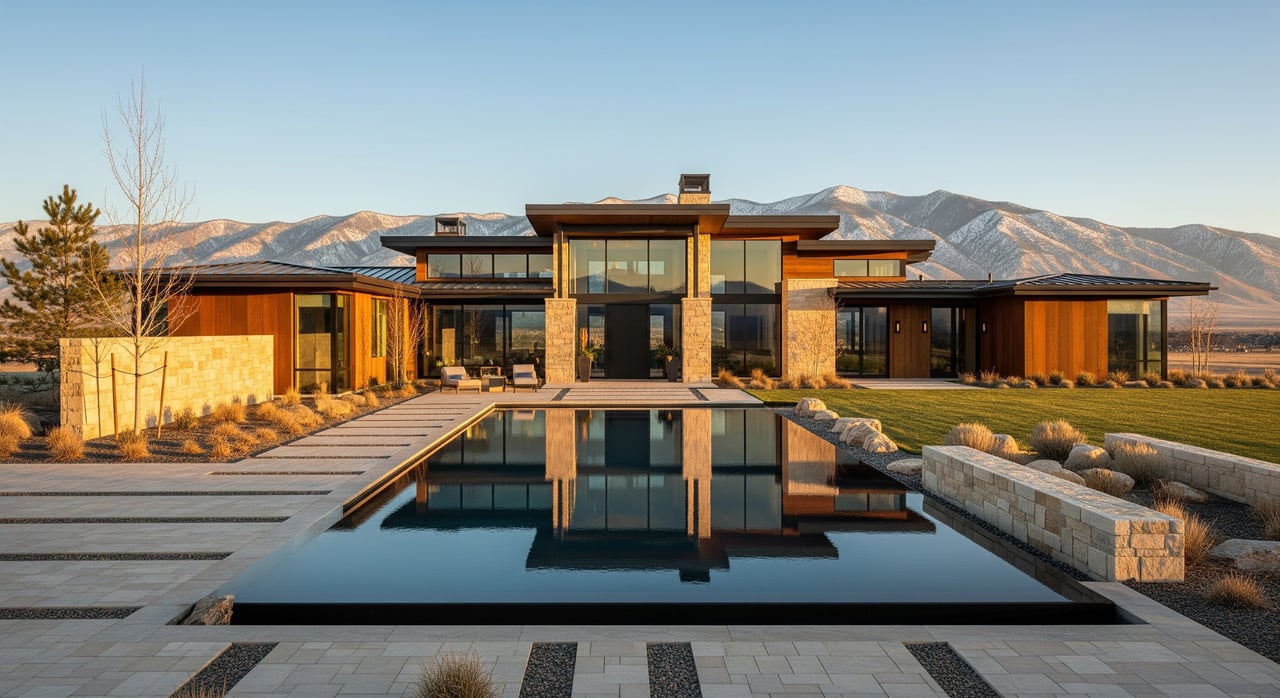
Luxury homes in and around Sundance often include custom architecture, unique sites, and lifestyle features like ski access or trail adjacency. These details can influence valuation and underwriting. A local, concierge‑level advisor helps you align property selection with your financing strategy, pacing, and documentation timeline so you can move decisively when the right home appears.
At Echelon, the focus is on fit, privacy, and a curated experience. That means helping you time the market, identify homes that match your lifestyle and budget goals, and navigate the nuances that come with luxury properties in the Wasatch Range. When you are ready, we can prepare a tailored plan that keeps the financing and purchase path clear from offer to close.
If you expect your loan amount to exceed conforming limits, start preparing early. Clarify your documentation, confirm reserve targets, and compare a few lender options so you can lock terms with confidence once you find the right home.
For discreet, place‑driven guidance on luxury properties in Sundance and the Wasatch Range, connect with Echelon Luxury Homes. Request Private Access or schedule a private consultation to begin.
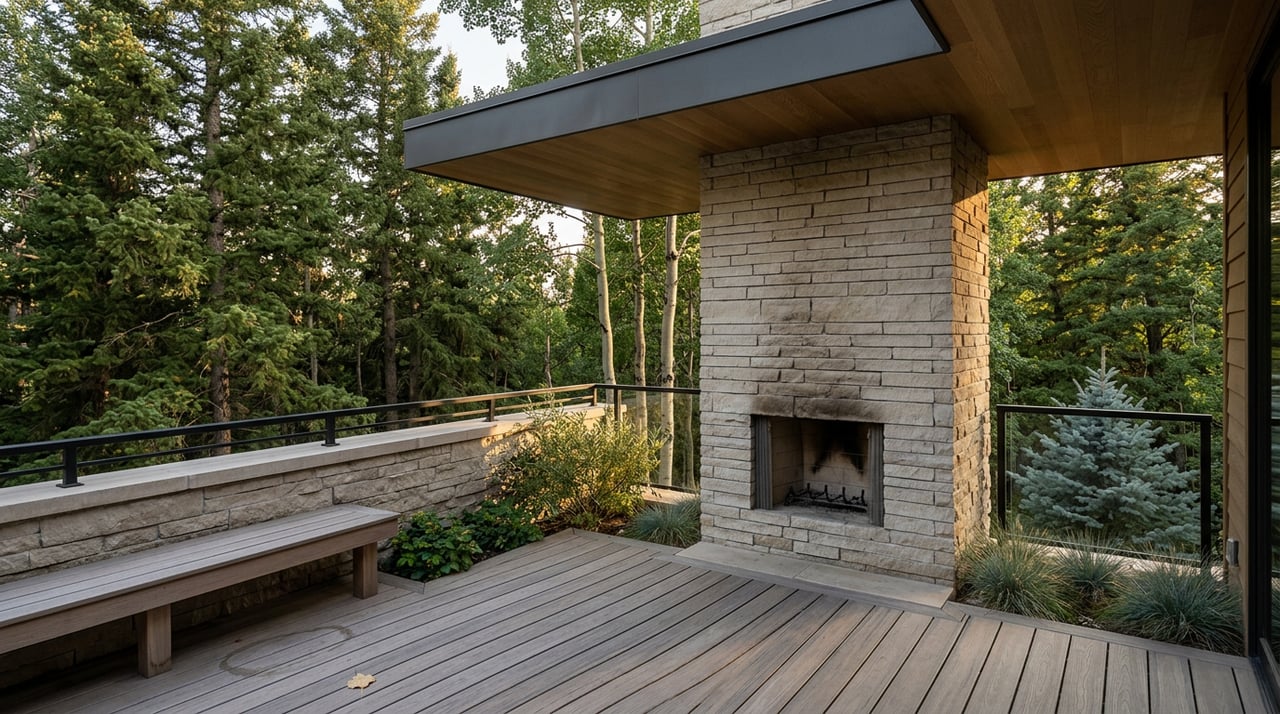
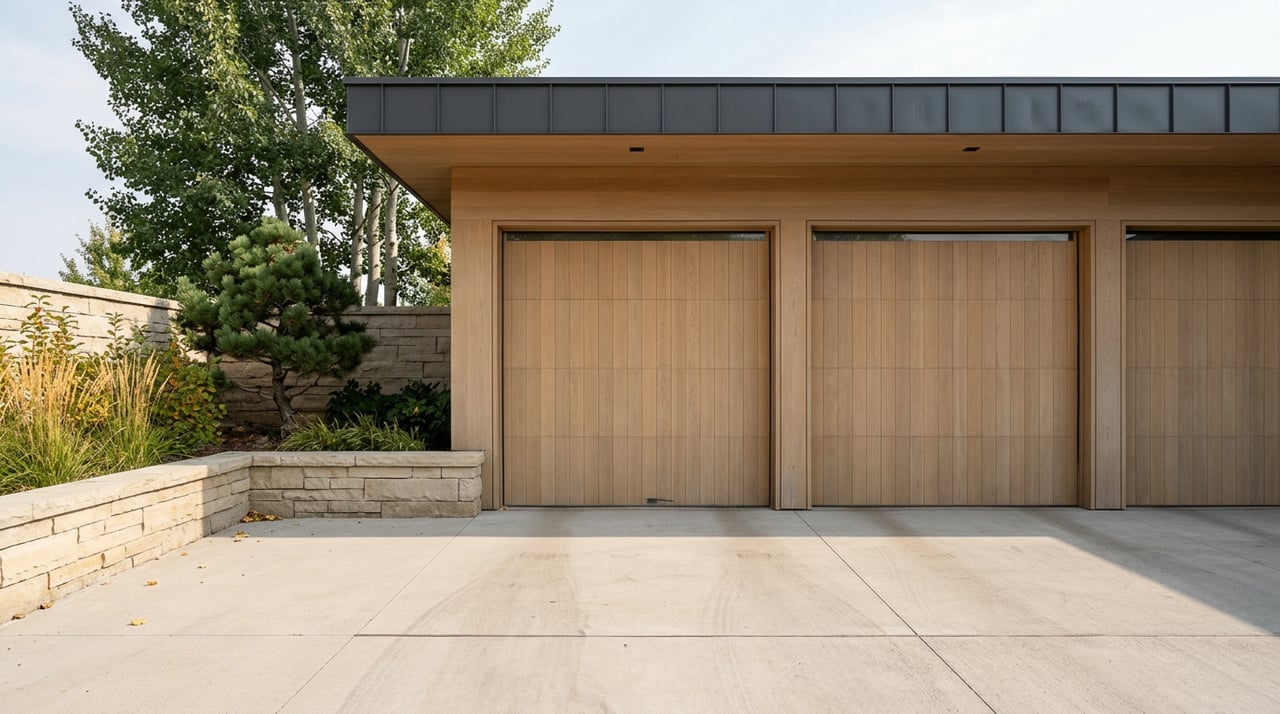


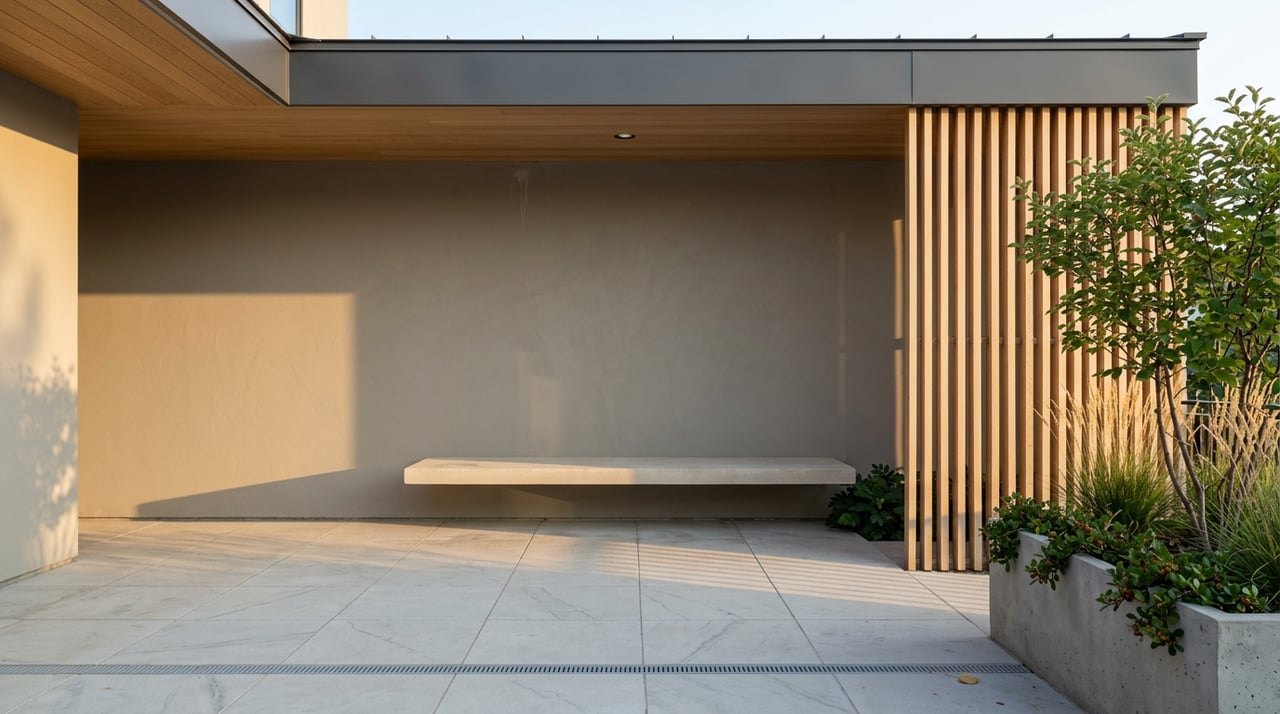
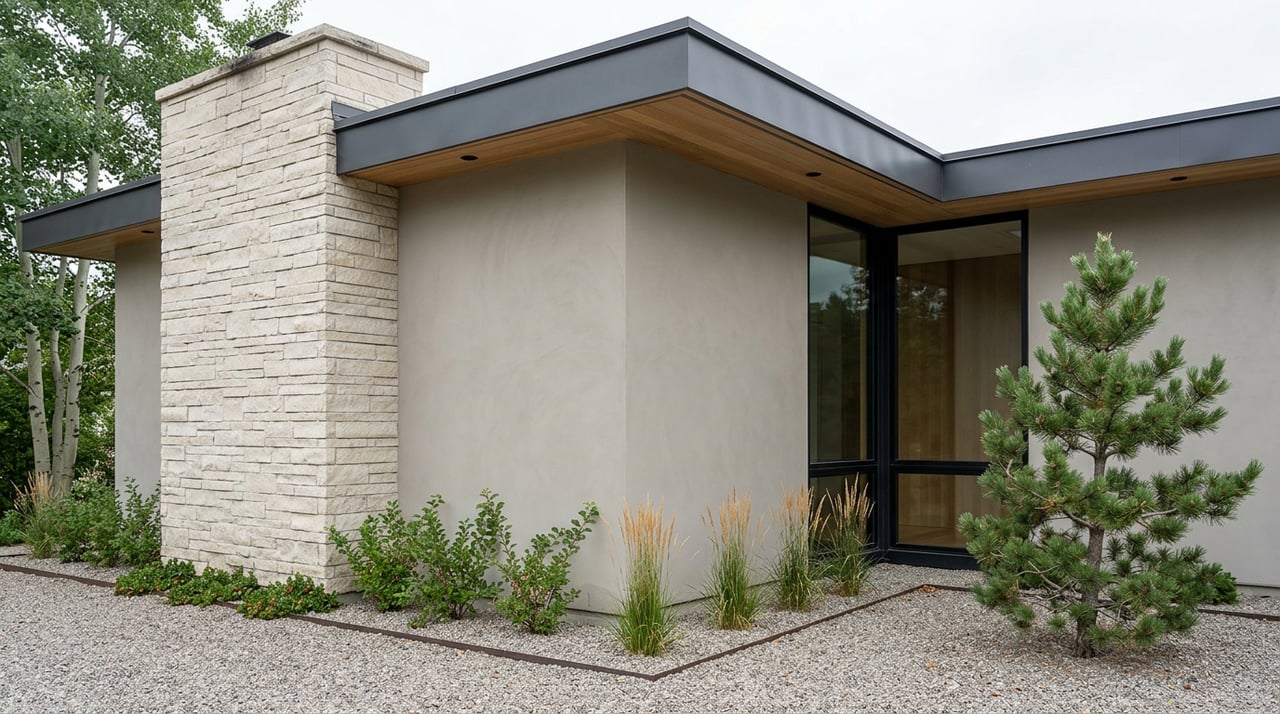
Whether you’re searching for a secluded, Sundance mountain retreat or a custom masterpiece in Wasatch, Salt Lake, or Utah Counties, she offers a concierge-level experience designed to help you find a home that embodies your vision of the extraordinary.