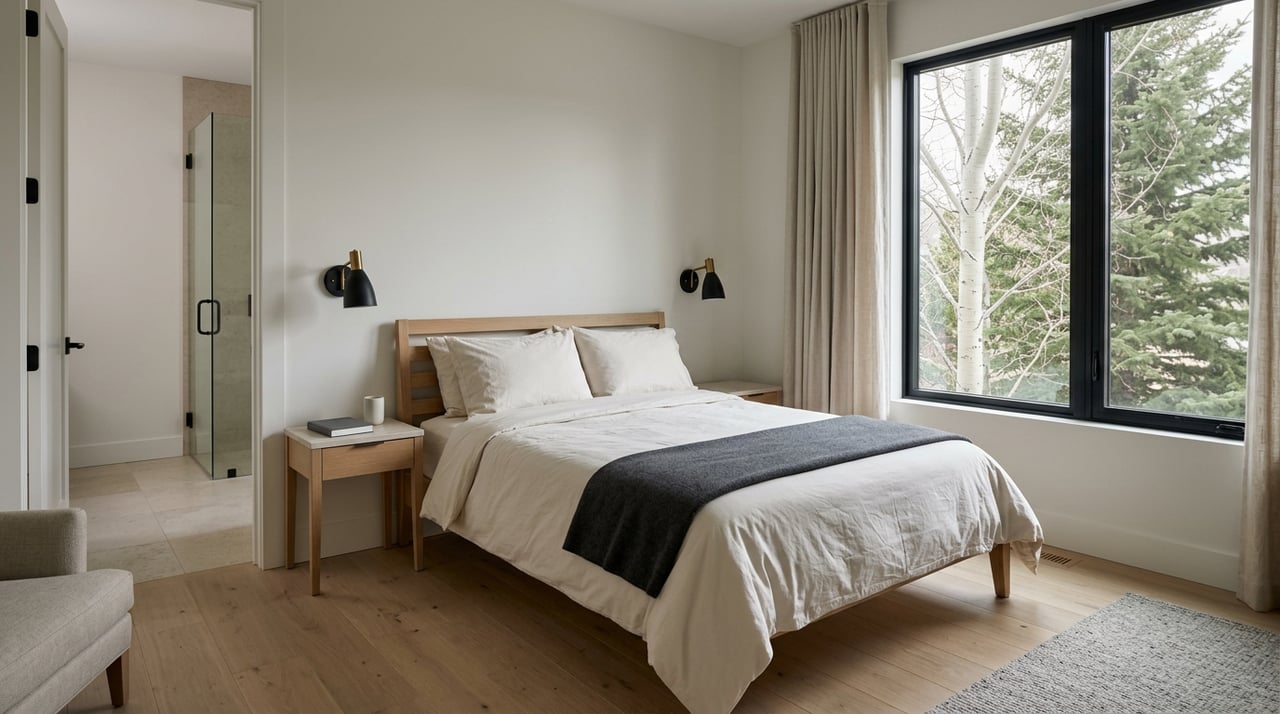
What to Know About Sundance Utah Rental Homes
April 16, 2026
April 16, 2026
Wondering whether a Sundance home can be both your mountain retreat and an occasional rental? That is one of the most important questions to answer before you buy or list in this area. In Sundance, lifestyle and rental use are closely connected, with resort access, zoning, and HOA expectations all shaping what is realistic. If you want a clear picture of how these pieces fit together, you are in the right place. Let’s dive in.
Sundance is best understood as a mountain-resort setting built around scenery, privacy, and year-round recreation. Sundance Mountain Resort describes itself as a mountain destination beneath a cirque at the base of Mount Timpanogos, located less than an hour from Salt Lake City and Park City. That setting matters because many buyers are not looking for dense, full-time urban living. They are looking for a retreat with a strong sense of place.
That lifestyle is not limited to ski season. The area is associated with hiking, fly fishing, horseback riding, mountain biking, Nordic skiing, scenic lift rides, spa and wellness experiences, and art classes, as noted by Ski Utah’s overview of Sundance activities. For many homeowners, that supports a pattern of personal use first, with occasional guest use or limited rental interest second.
One of the biggest misconceptions in mountain markets is assuming rental use works the same way everywhere. In and around Sundance, that is not the case. Before you make plans for nightly, weekend, or extended guest stays, you need to confirm where the property sits and which rules apply.
If a property falls within Provo City, the city defines a rental dwelling as a residence used or designated for rent for one month or longer. Provo defines short-term rentals as properties available for less than one month, and it states that short-term rentals require a commercial business license with the short-term-rental classification, according to the Provo rental FAQ.
Provo also says short-term rentals are not permitted in residential zones and are allowed only in specific zones: DT1, DT2, SC3, GW, WG, FC1, FC2, and PIC. That means you should never assume a Sundance-area home can be used for nightly or weekend rentals simply because it is in a resort setting. The parcel’s exact zoning matters.
If a property is outside Provo City and located in unincorporated Utah County, the process changes. Utah County business licensing states that it serves unincorporated Utah County only, requires a business license for business activity there, and uses a zone-clearance process before issuing a license. In practical terms, the city or county boundary can make a major difference in how rental use is reviewed.
Lifestyle decisions in Sundance are also shaped by how you plan to use the home over the course of a year. Some owners intend to spend long stretches in the mountains. Others want a seasonal base that supports recreation, family time, and occasional guest stays.
Utah County Assessor guidance defines a primary residence as one occupied for at least 183 consecutive days in a year. While that does not answer every ownership question, it does help frame how a property may function in real life. A Sundance home may serve as your main residence, your second home, or a mixed-use retreat, and each path can come with different planning considerations.
For buyers, this matters because the right home for full-time living may not be the same home that works well for seasonal use. For sellers, it matters because buyers often want to understand whether a property feels best suited to private enjoyment, occasional hosting, or a more structured rental strategy.
Even when a buyer is focused on location and zoning, HOA rules can be just as important. In mountain communities, these rules often reflect the realities of terrain, weather, road access, parking, and the overall guest experience.
Timphaven HOA describes Sundance as a quiet, serene mountain community and a single-family residential neighborhood. Its renter guidance asks guests to keep noise low, end larger gatherings by 10 p.m., avoid outdoor fires and fireworks, park only in the rented home’s driveway, respect private property, and use 4WD, AWD, or chains from November through April.
That guidance tells you a lot about the intended rhythm of ownership in Sundance. This is not a setting built around high-turnover, event-style use. It is a place where quiet enjoyment, winter readiness, and respect for neighboring homes all matter.
Timphaven’s rules add another key detail. The HOA states that owners are responsible for violations by tenants and guests, and it treats short-term rental use above 90 cumulative days in a year as a violation of community rules, according to its governing guidance. That is an HOA restriction rather than a citywide rule, but it is highly relevant if you are evaluating how often a home can realistically be rented.
The same rules also address parking, occupancy, and snow logistics. Road parking, fire lane parking, and parking in another owner’s space are prohibited. Occupancy is limited to no more than two people per bed, and the roads are described as narrow, with homeowners responsible for arranging and paying for driveway plowing. In Sundance, guest logistics are part of the ownership equation from day one.
If you are considering a Sundance home for both personal use and occasional rental income, the strongest fit is usually a home that is easy to manage and easy for guests to understand. The goal is not to force a party-house model into a mountain neighborhood that clearly values serenity. The goal is to align the property with the character of the setting.
Based on the HOA guidance and the resort context, practical features matter a lot. A home may be better suited to occasional guest stays if it offers:
These details may sound small at first, but they often shape whether a home feels effortless or difficult to use. In mountain communities, convenience and stewardship usually matter more than maximizing headcount.
The broader character of Sundance points away from party-oriented rental use. The resort identity centers on recreation, scenery, wellness, and retreat. Community guidance emphasizes quiet enjoyment, private property respect, winter readiness, and owner responsibility.
That combination creates a clear pattern. Rental use in Sundance tends to make the most sense when it supports the home’s role as a mountain retreat first. If rental plans depend on large groups, frequent turnover, or event-style occupancy, they may conflict with zoning, licensing, HOA rules, or the lived reality of the neighborhood.
For many buyers, that is actually part of Sundance’s appeal. The area attracts people who value privacy, stewardship, and a more measured pace. A home here is often less about squeezing every possible rental night onto a calendar and more about creating a legacy place that can also welcome carefully managed guest stays when appropriate.
If rental flexibility matters to you, it is wise to get clear answers early. In Sundance, small details can carry big consequences.
Before moving forward on a property, consider asking:
These are not minor checklist items. They help define whether a property truly fits your lifestyle goals.
In Sundance, value is not just about whether a home can be rented. It is also about whether the home fits the mountain lifestyle you want to protect. A property that works beautifully for personal use, occasional hosting, and well-managed guest stays may offer stronger long-term satisfaction than one purchased mainly around aggressive rental assumptions.
That is especially true in a market where privacy, setting, and stewardship help drive demand. When you look at Sundance through that lens, the most successful ownership strategy is often the one that respects both the home and the community around it.
If you are weighing lifestyle fit, zoning questions, or rental expectations for a Sundance property, Echelon Luxury Homes offers a concierge-level approach rooted in local knowledge, discretion, and mountain-market insight.
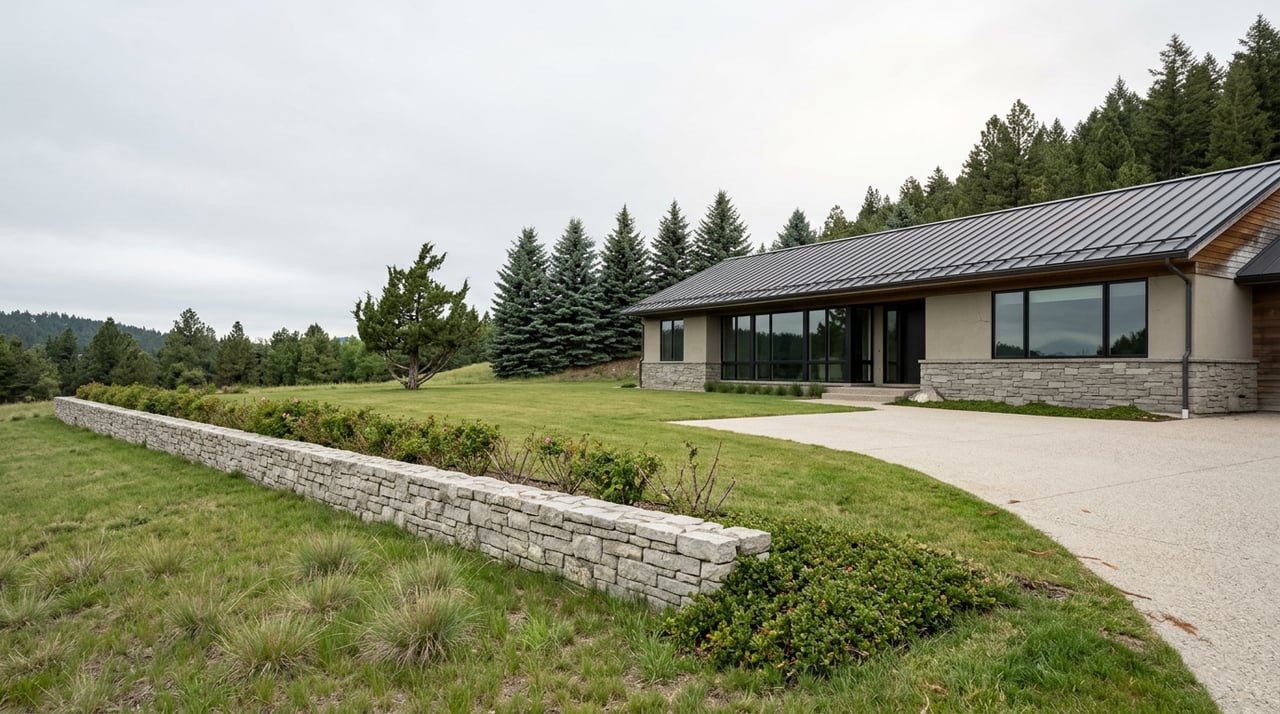

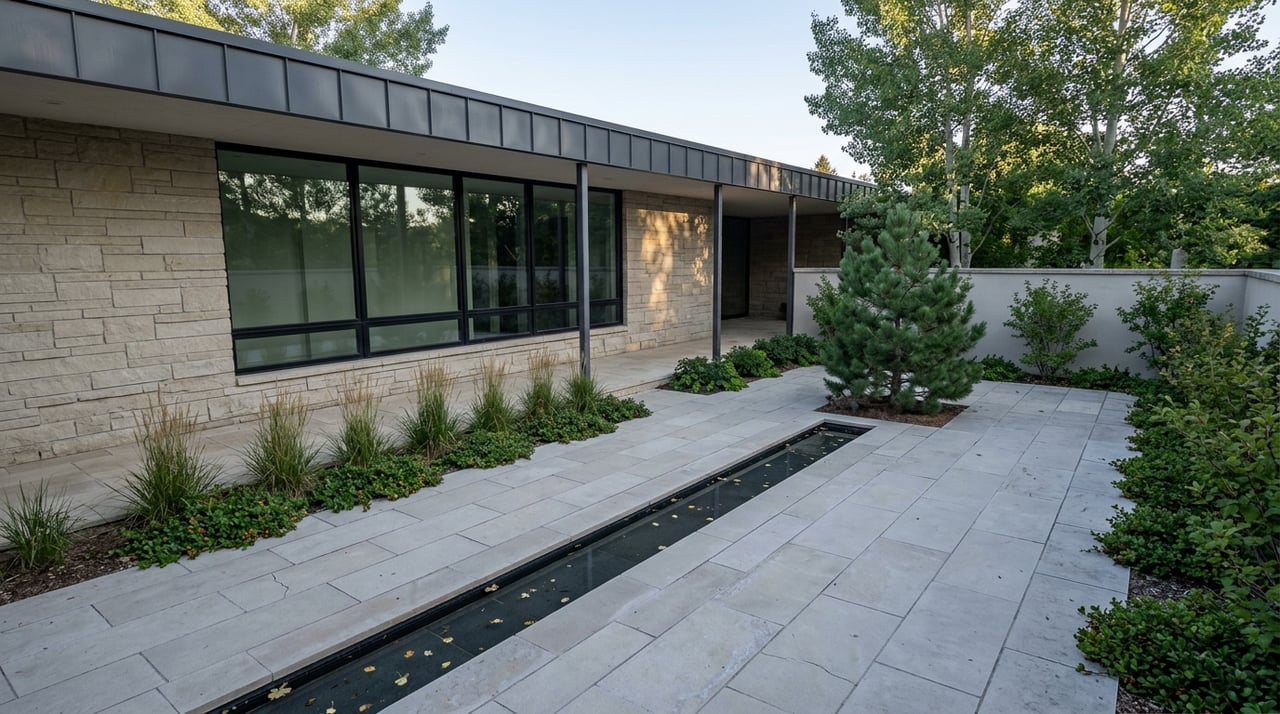
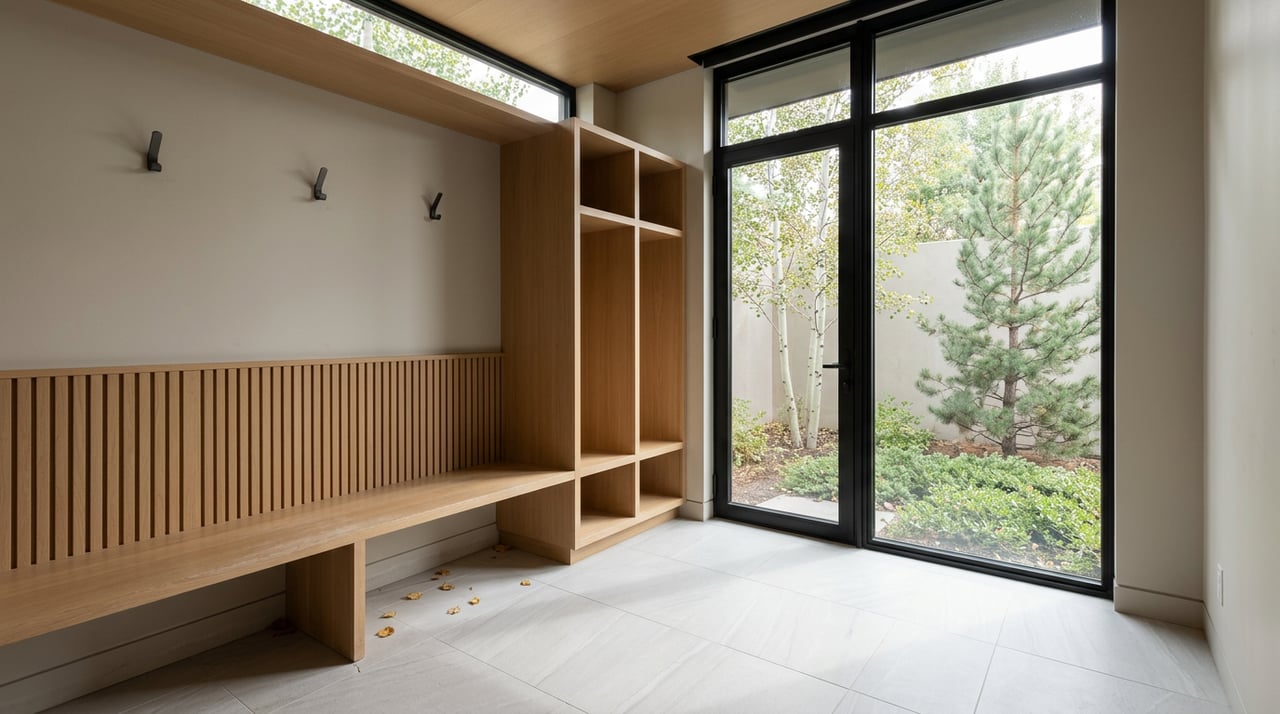
Whether you’re searching for a secluded, Sundance mountain retreat or a custom masterpiece in Wasatch, Salt Lake, or Utah Counties, she offers a concierge-level experience designed to help you find a home that embodies your vision of the extraordinary.