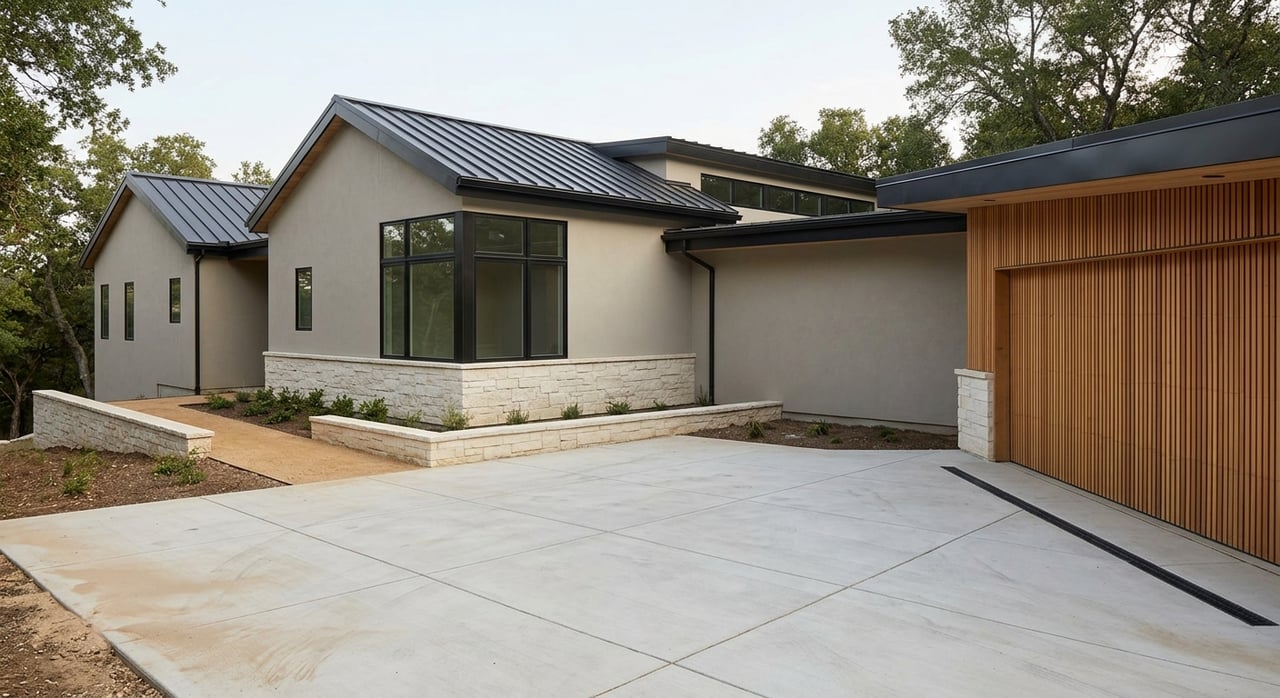
Planning a Highland Utah Custom Home With Confidence
May 14, 2026
May 14, 2026
If you are dreaming about building a custom home in Highland, the lot itself may matter just as much as the floor plan. In this market, a beautiful homesite can open the door to the lifestyle you want, but zoning, easements, approvals, and utility details can shape what is actually possible. The good news is that with the right planning, you can move forward with more clarity, fewer surprises, and a stronger sense of fit. Let’s dive in.
Highland offers a setting that appeals to buyers who want space, long-term livability, and access to the outdoors. The city highlights 25 parks and 18.4 miles of scenic trails, including connections such as Highland Glen Trail, the Murdock Canal Greenway, and the Bonneville Shoreline Trail.
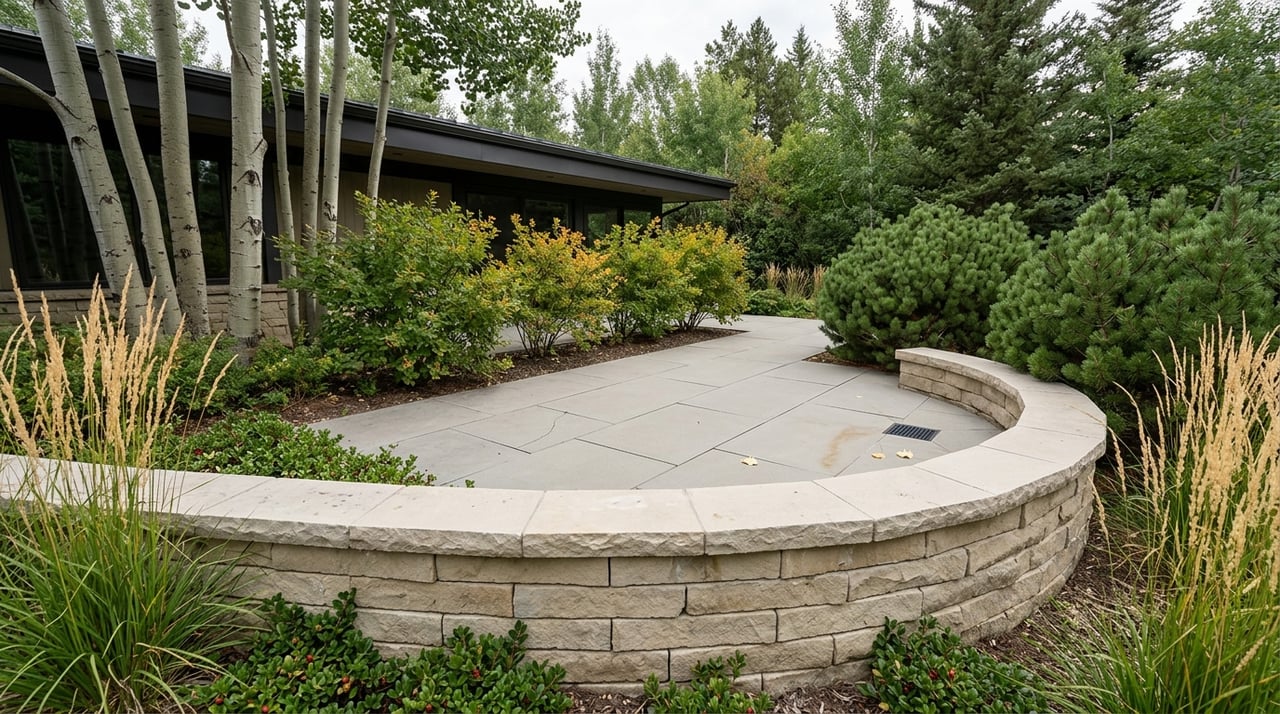
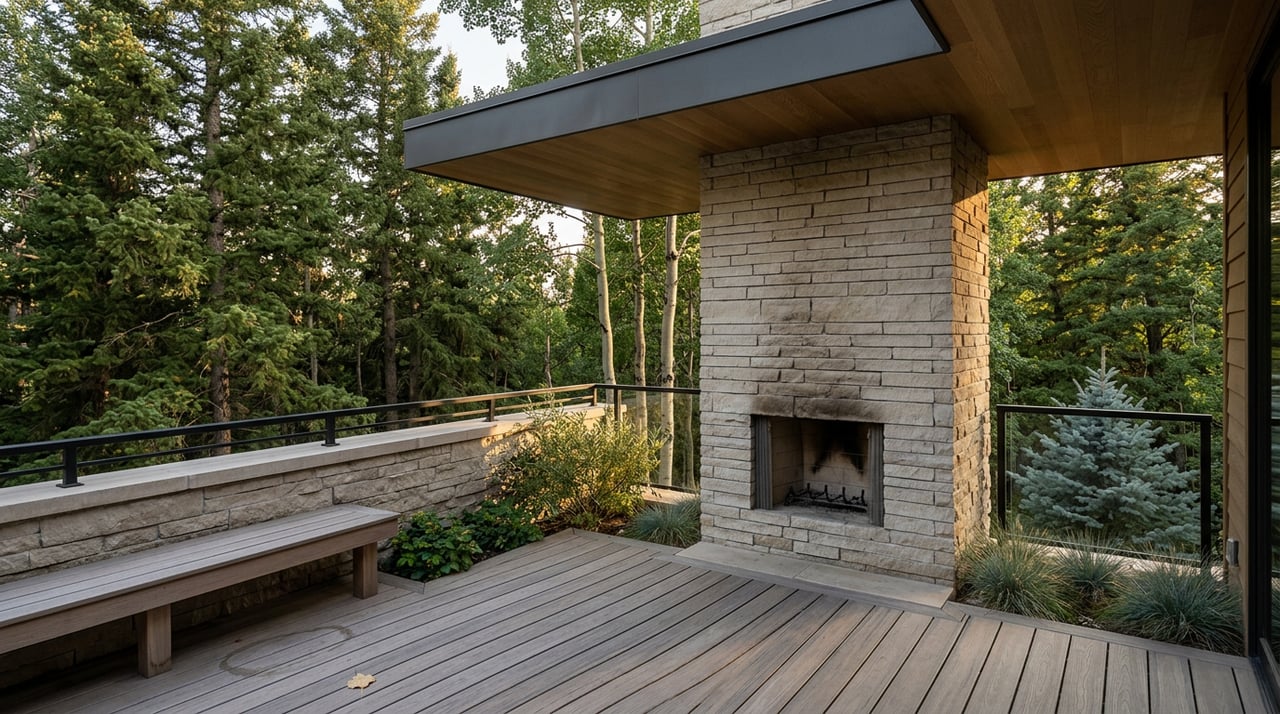
That outdoor access gives custom-home buyers something more than a build site. It gives you the chance to shape a home around how you actually want to live, whether that means view-oriented design, easy trail access, or indoor-outdoor spaces that make daily life feel more connected to the landscape.
One of the biggest mistakes buyers make is falling in love with a design before confirming what the lot can support. Highland’s development code recognizes three residential zones: R-1-40, R-1-30, and R-1-20, and those zones regulate factors like height, setbacks, density, lot size, and coverage.
That means homesite selection is not just about location or curb appeal. It is also a practical zoning decision that affects the scale of the home, the placement of structures, and what your builder and design team can realistically propose.
Before you buy a lot, Highland recommends confirming zoning by address with the Planning Department and cross-checking with the city’s zoning map or online viewer. This step can help you avoid building assumptions that do not match the property.
If you are considering a luxury custom residence, this is especially important. Larger footprints, detached structures, and more tailored site planning often depend on lot-specific rules rather than broad assumptions about the neighborhood.
Not every parcel in Highland is equally ready for a custom build. Even when a lot looks straightforward, several details can affect cost, timing, and design flexibility.
Here are the key items to review before moving forward:
Highland notes that utility easements are generally 10 feet on all sides of a property, though some parcels may also have trail, park, or waterway easements shown on the subdivision plat. These details matter because they can affect where you place the home, driveway, landscaping, or future outbuildings.
A lot that looks generous on paper may still have meaningful building constraints. Reviewing the plat and site conditions early can save you from redesign costs later.
If you are buying an existing platted homesite, your path may be relatively direct. If you are creating a lot, Highland separates minor subdivisions of two lots or less from major subdivisions of three lots or more, or projects that require public improvements.
Major subdivision review includes preliminary plat approval and subdivision improvement plans. In practical terms, this can add meaningful time and complexity before vertical construction even begins.
In many Highland subdivisions, private design review is part of the process. The city notes that many neighborhoods have an Architectural Review Committee, with requirements typically found in recorded CC&Rs.
Just as important, Highland does not take responsibility for ARC approval before issuing a building permit. In other words, city approval and private subdivision approval are separate tracks, and both may matter.
If a subdivision has an ARC, you and your builder typically need to secure that approval separately. Design revisions tied to exterior materials, massing, rooflines, fencing, or other visual standards can affect both your timeline and your budget.
For custom buyers, this is one of the easiest places for delays to start. A smooth process usually begins with understanding those design standards before final plans are completed.
Custom home projects in Highland usually require more than a builder alone. The city’s dwelling-unit submittal requirements call for an online permit application, plan review fee, site plan, floor plans, elevations, structural documentation, and energy-related documentation. If plans are prepared by an architect or engineer, stamped and signed plans are required.
That level of documentation points to a coordinated team. Depending on the lot and the design, that often includes a builder along with architectural, engineering, and surveying support.
Utah’s contractor licensing system provides an important checkpoint before you sign a build contract. The state’s R100 Residential and Small Commercial Contractor classification requires experience and the Utah Business and Law exam, and Utah also offers a free Construction Business Registry to verify licensed construction professionals.
That verification step is simple, but it can help you move into the design and pricing phase with more confidence. For a custom home, the quality of communication and organization is just as important as the final craftsmanship.
Highland requires building permits before work that adds, repairs, changes, enlarges, demolishes, or installs equipment or systems in a structure. The city reviews applications only after a complete package with all required documents is submitted.
The online permit portal moves through stages that include PREP, SUBM, PLAN, PEND, and issued. If your package is incomplete, the review process can slow down quickly.
Highland’s current code page lists adopted codes with state amendments, including the 2021 International Residential Code, 2021 International Building Code, 2021 International Energy Conservation Code, 2021 International Fire Code, 2021 International Mechanical Code, 2021 International Plumbing Code, 2021 International Fuel Gas Code, and the 2023 National Electrical Code.
For you as a buyer, the key takeaway is straightforward: your plans need to align with current local and state code requirements from the start. That is another reason a well-prepared builder and design team matter.
If you are planning a very large custom residence, Highland has an important local requirement. The city says it has adopted an ordinance requiring automatic fire sprinkler systems in all conditions allowed by state fire code, including residences over 10,000 square feet.
For luxury buyers, that threshold is worth discussing early with your builder and design team. It can affect both the engineering approach and the overall budget.
A custom-home budget in Highland should go well beyond land and construction costs. Permit and utility-related items can materially affect the final number, especially if you are comparing multiple lots with different development histories.
Highland says permit fees are valuation-based, with a $500 deposit required for new residential and commercial plan submissions, plus a separate 1% state fee charged on the building permit fee. The city also notes that fees can vary depending on what was already paid at the development stage.
When planning your budget, ask about these line items early:
These items do not mean a lot is a poor choice. They simply mean that comparing lots should involve a full feasibility review, not just an asking price.
Some of the most important pre-construction steps happen before the first shovel hits the ground. In Highland, a building permit will not be issued until SWPPP approval is obtained.
For a single residential lot, the city directs applicants to use the CPP common plan template, a Highland land-disturbance permit, and a state NOI. This is one reason site readiness should be part of your early planning conversation.
If your project touches the public right-of-way, Highland requires a permit for excavation work such as trenching, boring, road cuts, and utility work, as well as non-excavation work such as driveway accesses and curb cuts. The city also requires fees and a refundable assurance before issuing that permit.
This can affect homesites where utility connections, access improvements, or driveway work extend into public areas. It is a detail that can influence both schedule and cash flow.
Highland says new utility customers need proof of ownership and a $25 account setup fee at least one business day before service begins. The city also notes that water turn-on appointments should be requested before 2 p.m. Monday through Thursday.
These may sound like small details, but custom builds often move on a chain of dependencies. Utility timing can become one of many steps that either keeps your project moving or creates unnecessary pauses.
In Highland, many custom home projects on existing lots are primarily permit-driven rather than site-plan driven. Still, that does not mean the process is simple.
The most common schedule drivers are incomplete permit submittals, subdivision or plat work, SWPPP approval, utility coordination, right-of-way work, and any separate ARC approvals. Each of these steps is manageable, but they work best when handled in the right order.
Highland schedules inspections Monday through Thursday from 8:00 a.m. to 6:00 p.m., and inspections must be scheduled at least 24 hours in advance. Common milestones include footing, foundation, temporary power, underground plumbing, framing, permanent power, stucco or weather barrier, sheetrock, shower pan, and final inspection.
If your builder plans these checkpoints well, the project is less likely to lose momentum. Inspection timing may seem routine, but it can shape your move-in calendar more than many buyers expect.
If your vision includes more than the home itself, review Highland’s accessory structure rules early. The city says accessory buildings over 200 square feet are regulated, cannot cover more than 5 percent of the gross lot area, may not exceed 25 feet in height, and must meet setback rules.
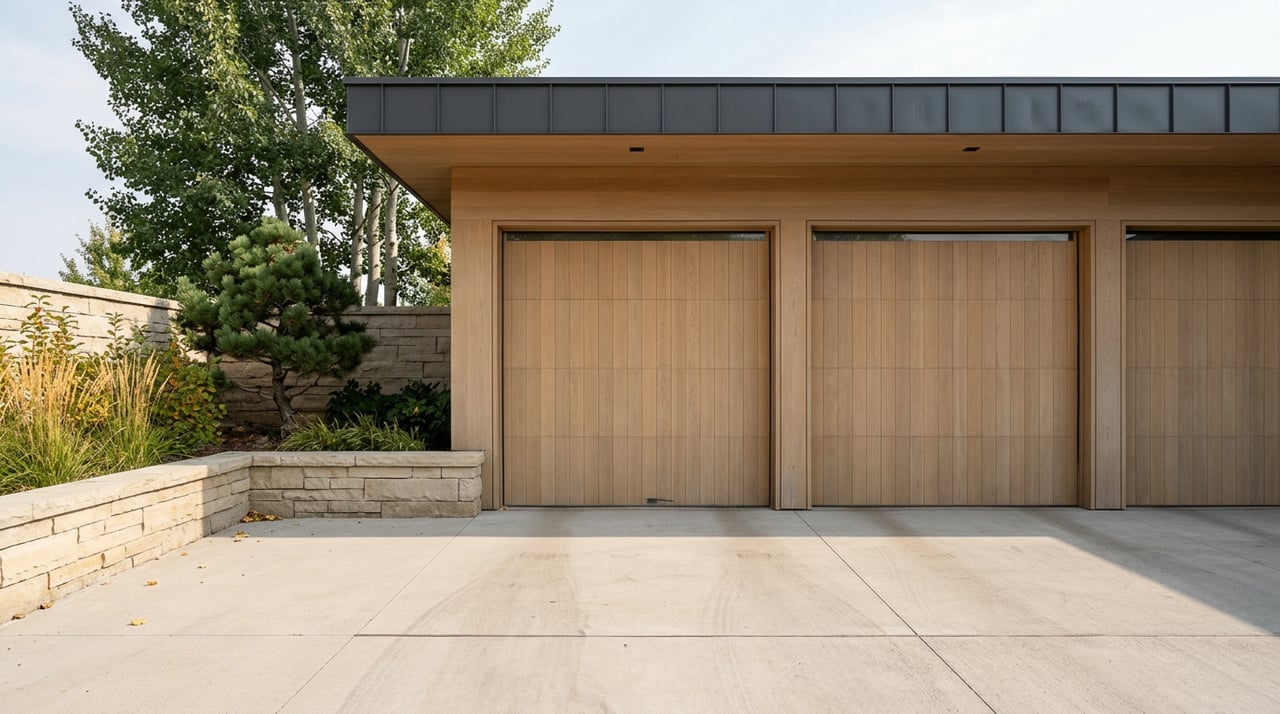
That matters if you are considering a detached garage, workshop, pool house, or other future structure. Long-term planning often leads to a better lot choice today.
Building a custom home in Highland can be deeply rewarding, but the best outcomes usually start with careful due diligence. The right lot is not simply the one with the best first impression. It is the one where zoning, easements, approvals, utility planning, and your long-term goals all align.
If you are weighing land options or trying to understand which homesite best supports the home you want to build, working with a local advisor can help you ask better questions before you commit. For tailored guidance on Highland and other luxury markets across Utah County and the Wasatch corridor, connect with Echelon Luxury Homes.

Whether you’re searching for a secluded, Sundance mountain retreat or a custom masterpiece in Wasatch, Salt Lake, or Utah Counties, she offers a concierge-level experience designed to help you find a home that embodies your vision of the extraordinary.