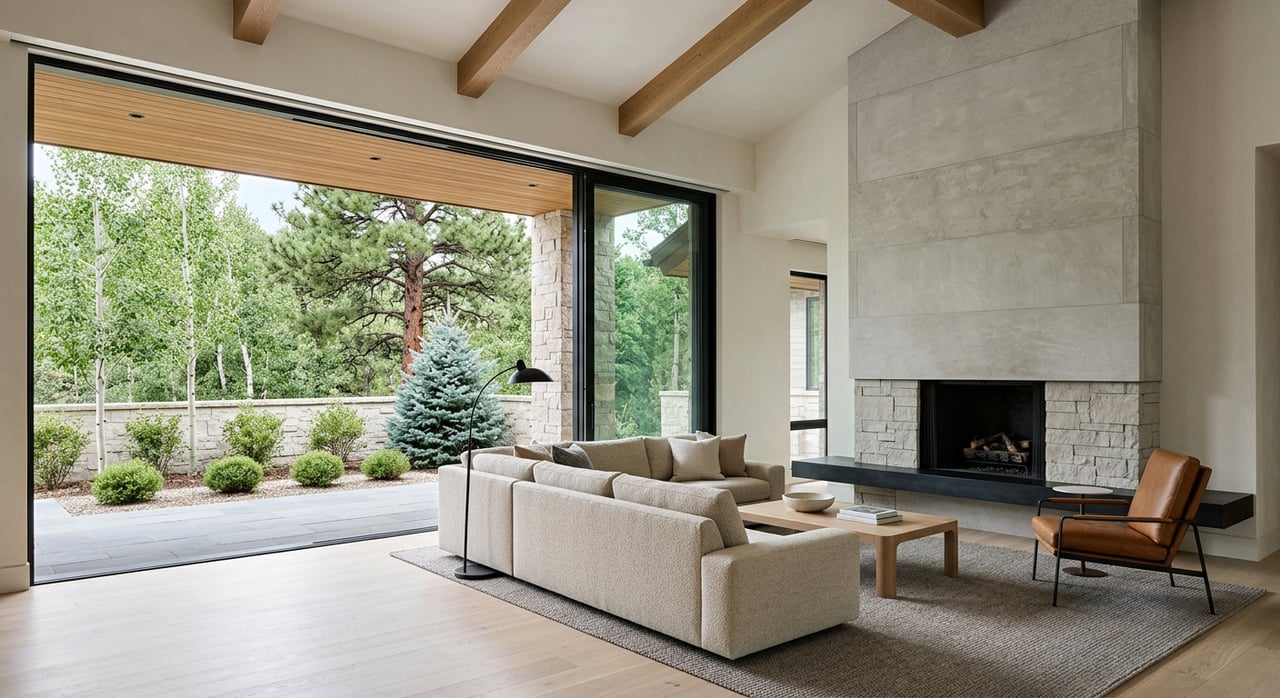
Designing A Legacy Mountain Retreat In Wasatch County
May 21, 2026
May 21, 2026
A true mountain retreat is not just a beautiful home in a scenic setting. In Wasatch County, it is often a long-term decision about land, family use, and stewardship. If you are thinking about building or buying a property that can serve multiple generations, understanding how the site fits the county’s zoning, access, and conservation priorities can shape every smart choice you make. Let’s dive in.
Wasatch County naturally supports the idea of a legacy property because local planning priorities focus on preserving rural character, guiding growth responsibly, and stewarding land and infrastructure for future generations. The county’s Planning and Zoning Department describes its role as supporting quality of life for current residents and future generations, which aligns well with buyers who want to think beyond the next season.
That long-view mindset also shows up in the county’s Open Lands program. Wasatch County supports conservation easements and open-space protection, and as of April 2025, open-lands allocations had supported nine conservation easements totaling about 638.28 acres. For many luxury buyers, that reinforces a simple idea: a retreat here is often about preserving a setting, not just improving a parcel.
In Wasatch County, every parcel is zoned, so due diligence starts with the land itself. The county’s zoning framework includes districts such as Preservation, Agricultural, Residential-Agricultural, and Mountain, and each one can shape what is practical for development.
That matters because a mountain property may come with site-specific constraints that affect design from day one. The Preservation district is intended for areas where development may be limited by remoteness, topography, or sensitive environmental issues. The Mountain district applies to mountainous areas where services may or may not be readily available and where development should harmonize with the mountain setting.
If you are planning a legacy retreat, this is one of the most important mindset shifts to make. The best properties are not always the ones with the biggest footprint. Often, they are the ones where the home, land, access, and long-term use all fit the zoning and the site naturally.
A legacy retreat works best when it allows people to come together comfortably while still giving everyone room to breathe. In practical terms, that often means a layout with separate bedroom wings, private guest suites, bunk areas, and generous shared spaces that feel welcoming in every season.
Large great rooms, flexible dining areas, and indoor-outdoor gathering spaces can support holiday weekends, summer visits, and winter stays without making the home feel crowded. At the same time, private sleeping zones and thoughtful circulation can help the property function well when multiple generations or visiting guests are under one roof.
This kind of planning is especially valuable in a year-round destination like Wasatch County. A retreat that feels calm, flexible, and easy to use across many types of visits is more likely to serve your family well over time.
If your vision includes guest quarters or an accessory dwelling unit, early planning is essential. In Wasatch County, an ADU requires a Conditional Use Permit, and the county asks for a site plan showing buildings, setbacks, roads, parking, utilities, lighting, architecture, plat information, HOA approval, and a deed restriction.
That means a guest house is not just a design choice. It is a land-use and permitting decision that should be evaluated early, alongside zoning, utility coordination, and access planning. Buyers who want a property to support extended stays, caretakers, or more private guest accommodations should review these requirements before assuming future flexibility.
Even smaller structures deserve attention. Wasatch County says structures over 200 square feet require a permit, while detached single-story accessory structures under 200 square feet do not require a permit but still need setback verification. Decks 30 inches or more above grade also require a permit.
Wasatch County is not a one-season market, and the best retreat design reflects that. Wasatch Mountain State Park is open year-round and offers hiking, biking, and golf in warmer months, plus skiing or snowmobiling in winter. Soldier Hollow adds cross-country skiing, snow tubing, and summer biking and hiking, which strengthens the area’s appeal for four-season use.
The broader recreation setting is just as important. The Uinta-Wasatch-Cache National Forest spans nearly 2.1 million acres and offers hiking, biking, camping, fishing, skiing, Nordic skiing, snowmobiling, scenic drives, and other winter sports. This wide recreation network supports the idea of a retreat that stays active and useful throughout the year.
Local tourism patterns reinforce that point. Heber Valley Tourism’s 2025 annual report says visitors to Wasatch County’s three state parks topped 2.5 million, and Strawberry Reservoir drew more than 2 million visitors. The area functions as a year-round destination, which makes practical design choices even more valuable.
When a home is meant to be used across spring, summer, fall, and winter, certain design features become more than luxuries. They become part of how well the property lives.
Consider priorities such as:
These details can help a retreat feel organized, comfortable, and resilient whether you are arriving after a ski day or hosting a long summer weekend.
Mountain properties often require more upfront coordination than buyers expect. Wasatch County’s building application requires a Wildland Fire Hazard Severity Form and a landscape plan for sites in a Wildland Urban Interface area. It also requires slope analysis when noted on the plat or otherwise required by Planning.
Utilities can also be more complex than on a typical suburban lot. The county notes that water, sewer, and power are often coordinated through the relevant special service district or utility provider rather than the building department. That makes early feasibility work especially important when you are comparing parcels or refining a building plan.
In short, the earlier you evaluate slope, access, and service availability, the more confidence you can have in your budget, timeline, and final design choices.
In a mountain setting, resilience should be part of the design conversation from the start. Wasatch County’s final inspection checklist says that if a property is in a Wildland Urban Interface area, landscaping must be inspected by the Wasatch County Fire District before the final building inspection can be requested. If sprinklers were required, a final sprinkler inspection is also needed.
The county also states that residential sprinkler systems are required in certain situations. These include cases where there is no public water distribution system with fire hydrants, where the only access road has a grade greater than 10 percent for more than 500 continuous feet, or where the home exceeds 10,000 square feet.
If sprinklers are required, plans and calculations must be submitted with the permit application. For buyers and builders, this underscores a bigger truth: a legacy retreat should be designed not only for beauty, but also for long-term durability and safe occupancy.
Wildfire is not the only site issue worth reviewing. Wasatch County says that areas near rivers, canals, and creeks may fall within a FEMA Special Flood Hazard Area, and it recommends checking flood hazards before developing.
For a buyer, this is a practical part of site selection. Flood conditions can affect building plans, insurance considerations, and long-term ownership costs. A strong retreat plan starts with understanding the land clearly before committing to the vision.
One of the defining qualities of a legacy retreat in Wasatch County is that privacy and stewardship do not have to compete. The county says a conservation easement can keep land in private ownership while protecting it from future development, and these easements may preserve open space, agricultural land, or natural habitat.
For some owners, that may be part of the long-term appeal. If your goal is to create a retreat that protects views, open land, or a certain sense of place, conservation tools may support that outcome while keeping ownership private.
Agricultural use may also matter in specific cases. Wasatch County says the Utah Farmland Assessment Act, often called Greenbelt, can assess qualifying agricultural property by productive capability rather than market value. In general, Greenbelt requires at least five contiguous acres devoted to agricultural use and more than 50 percent of the average agricultural production per acre for that land type in the county.
That does not apply to every luxury property, but for land-forward estates or acreage holdings, it can be relevant to both planning and long-term ownership strategy.
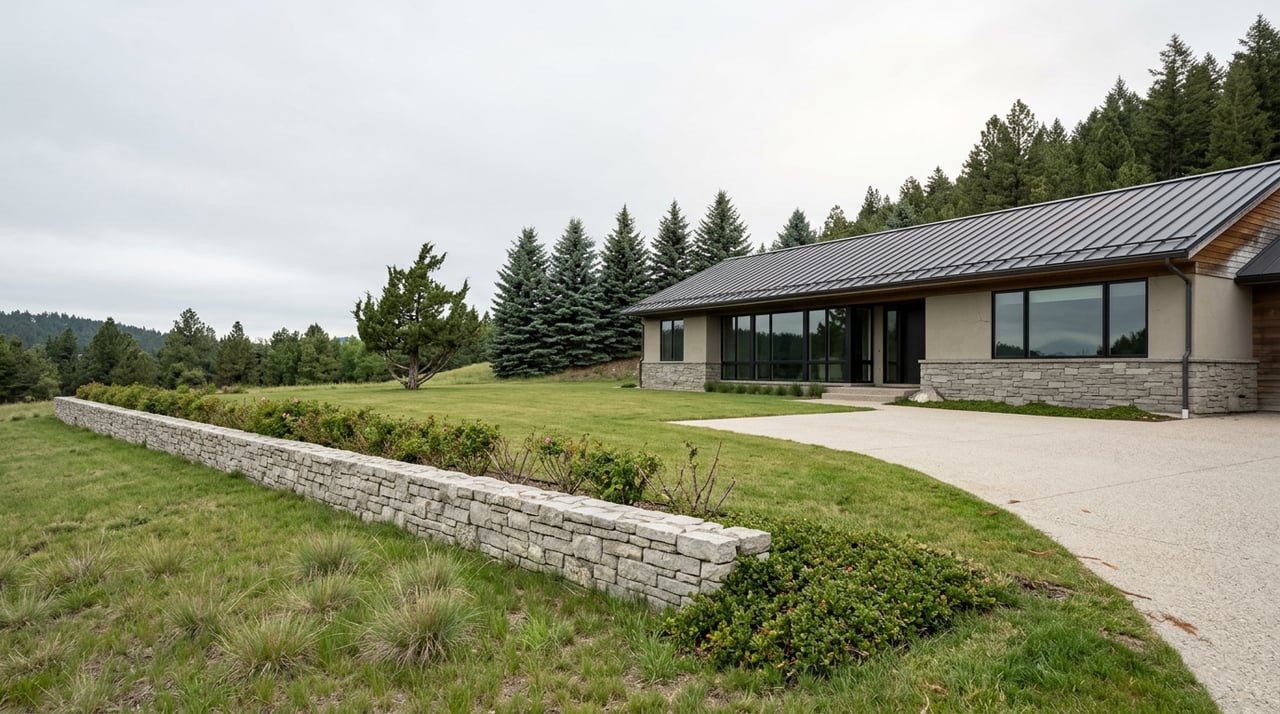
In Wasatch County, a legacy mountain retreat is rarely defined by square footage alone. It is shaped by how the home sits on the land, how well it supports gathering across generations, and how thoughtfully it responds to zoning, access, utilities, fire planning, and long-range stewardship.
That is part of what makes the market so compelling. You are not just choosing finishes or views. You are choosing how a property can function over time, how it fits its setting, and what kind of place it can become for years to come.
If you are considering a mountain property in Wasatch County, working with an advisor who understands both lifestyle fit and site realities can make the process far more intentional. To explore private opportunities or talk through a retreat vision with a local perspective, connect with Echelon Luxury Homes.

Whether you’re searching for a secluded, Sundance mountain retreat or a custom masterpiece in Wasatch, Salt Lake, or Utah Counties, she offers a concierge-level experience designed to help you find a home that embodies your vision of the extraordinary.