Alpine Utah Luxury Home Design Trends That Feel Current
June 18, 2026
June 18, 2026
If you are watching Alpine’s luxury market, you have probably noticed something interesting: there is no single “right” look for a high-end home here. Some properties lean mountain modern, others feel more traditional, and many blend both. What ties them together is something deeper than style alone, and that matters whether you plan to buy, build, renovate, or sell. In Alpine, great design is about how a home fits the land, frames the views, and supports everyday living. Let’s dive in.
In Alpine, luxury design begins with the setting. The city’s General Plan emphasizes preserving a historic small-town and rural atmosphere, along with open space, mountain surroundings, and protected mountain and valley views.
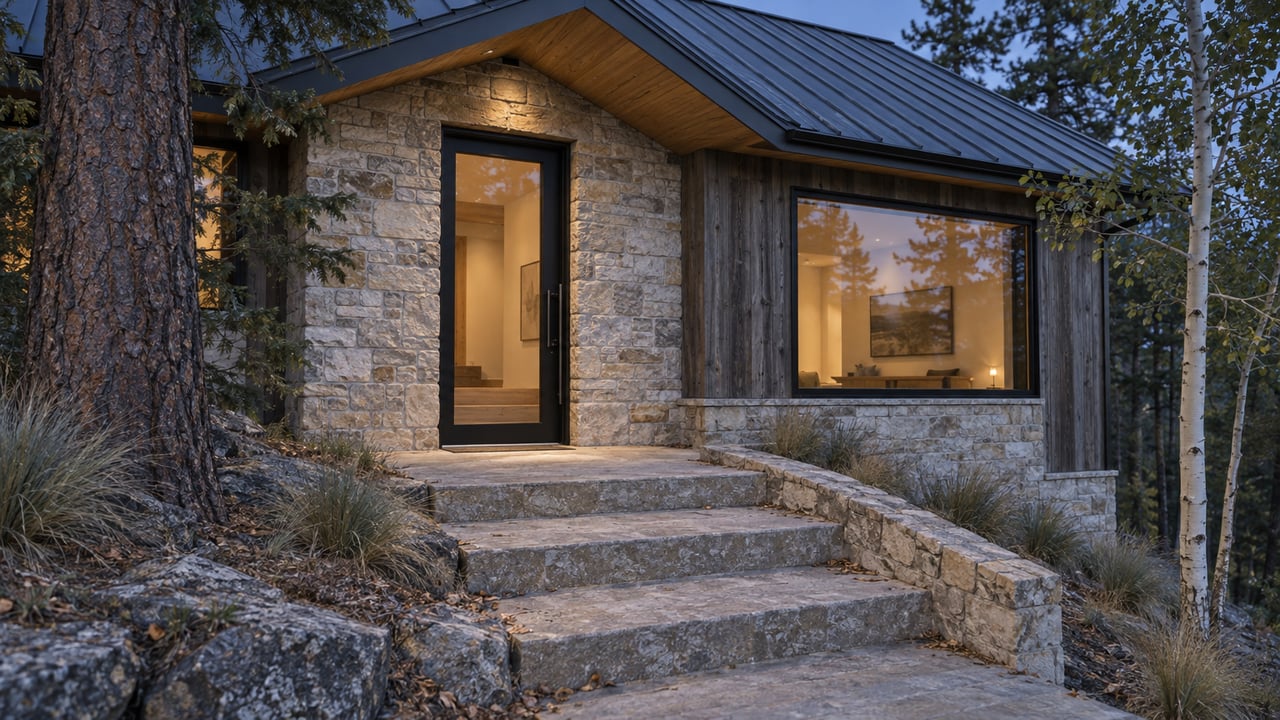
That local context shapes what stands out in the market. A beautiful home is not just judged by finishes or square footage. Siting, building massing, landscape preservation, and sensitivity to the natural surroundings are all part of the design conversation.
The city also uses overlay zones for hillsides, floodplain areas, geologic hazards, wildland-urban interface areas, and other sensitive lands. For buyers and sellers, that means design choices often connect to the land itself, not just to interior trends.
Current Alpine luxury listings show a wide stylistic range. You can find contemporary estates, Modern Tudor homes, craftsman-inspired properties, and other traditional-leaning custom residences.
That variety tells you something important about the local market. Alpine does not reward one rigid design formula. Instead, buyers appear to respond to homes that feel high quality, context-sensitive, and thoughtfully connected to their surroundings.
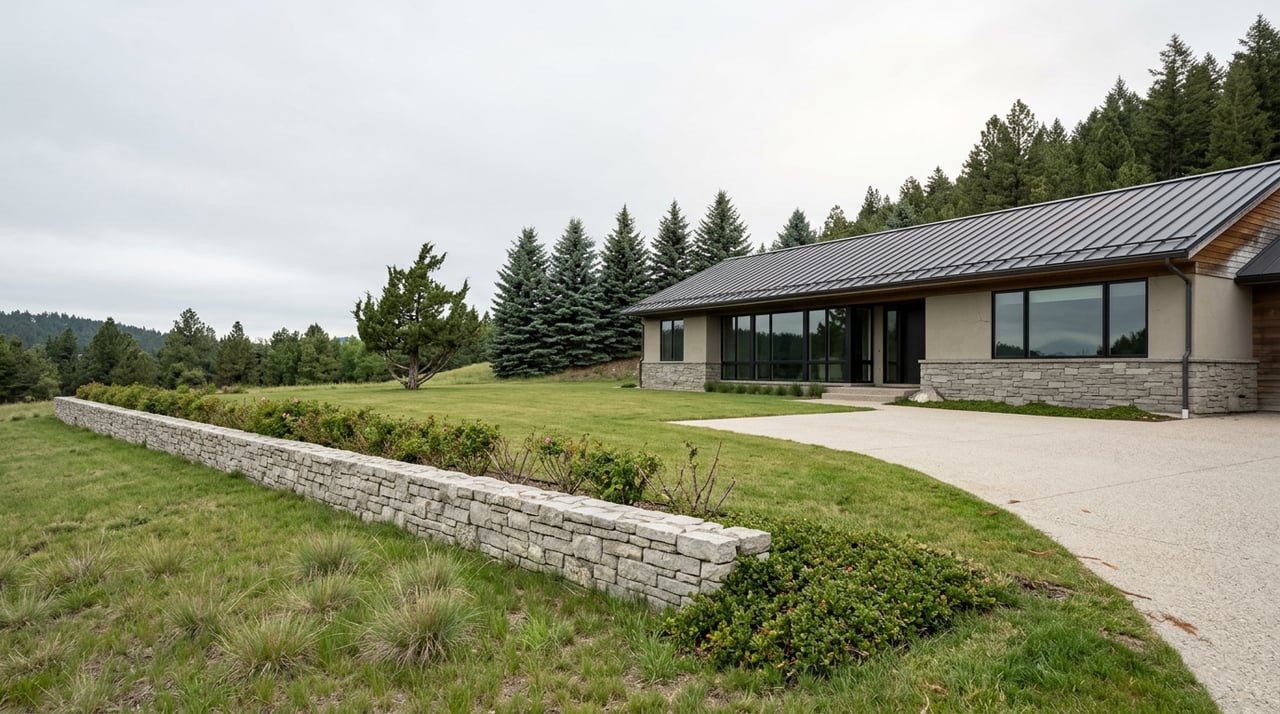
In practical terms, the strongest homes often share a similar design language even when their styles differ. Expansive windows, natural materials, warm textures, and substantial but simplified forms appear again and again.
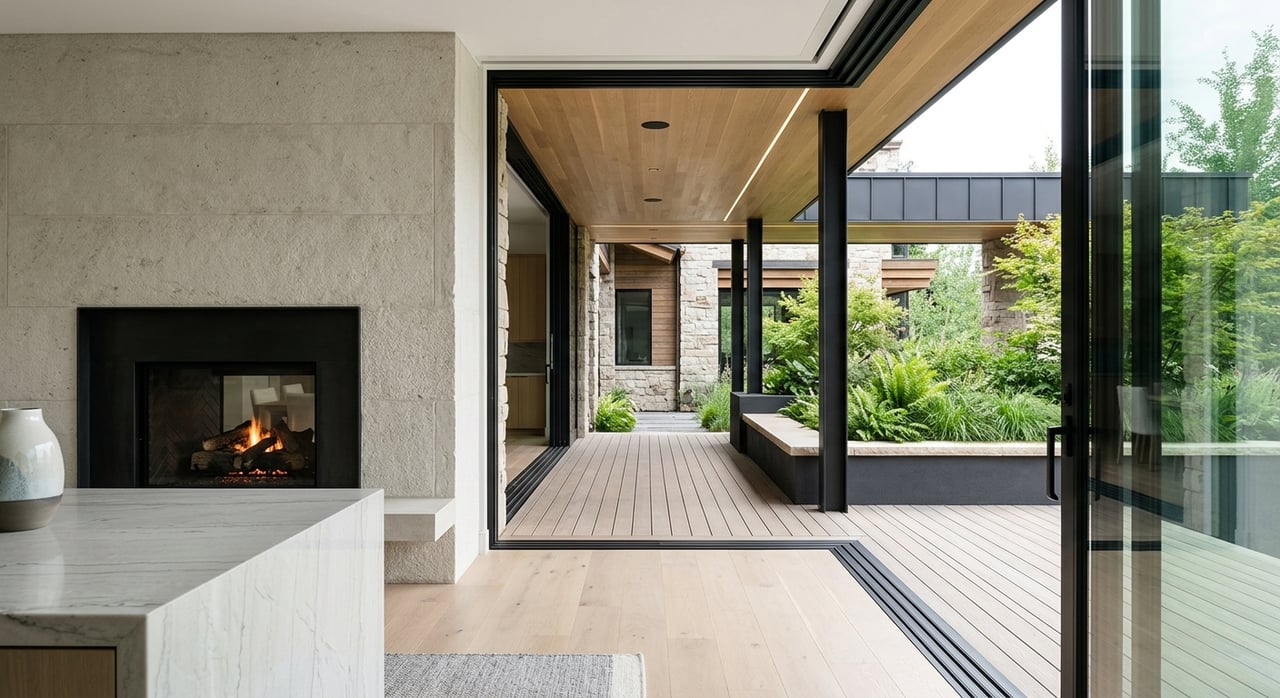
Many newer luxury homes in Alpine lean toward mountain modern or contemporary design. These homes often feature open great rooms, large window walls, and strong connections to outdoor spaces.
In current listings, views are treated like a core design feature. Mountain, valley, and Utah Lake vistas are framed through picture windows, light-filled interiors, and outdoor living areas that extend how the home is used every day.
This approach fits Alpine especially well. When the landscape is one of the property’s greatest assets, the architecture tends to work best when it brings that landscape into daily life.
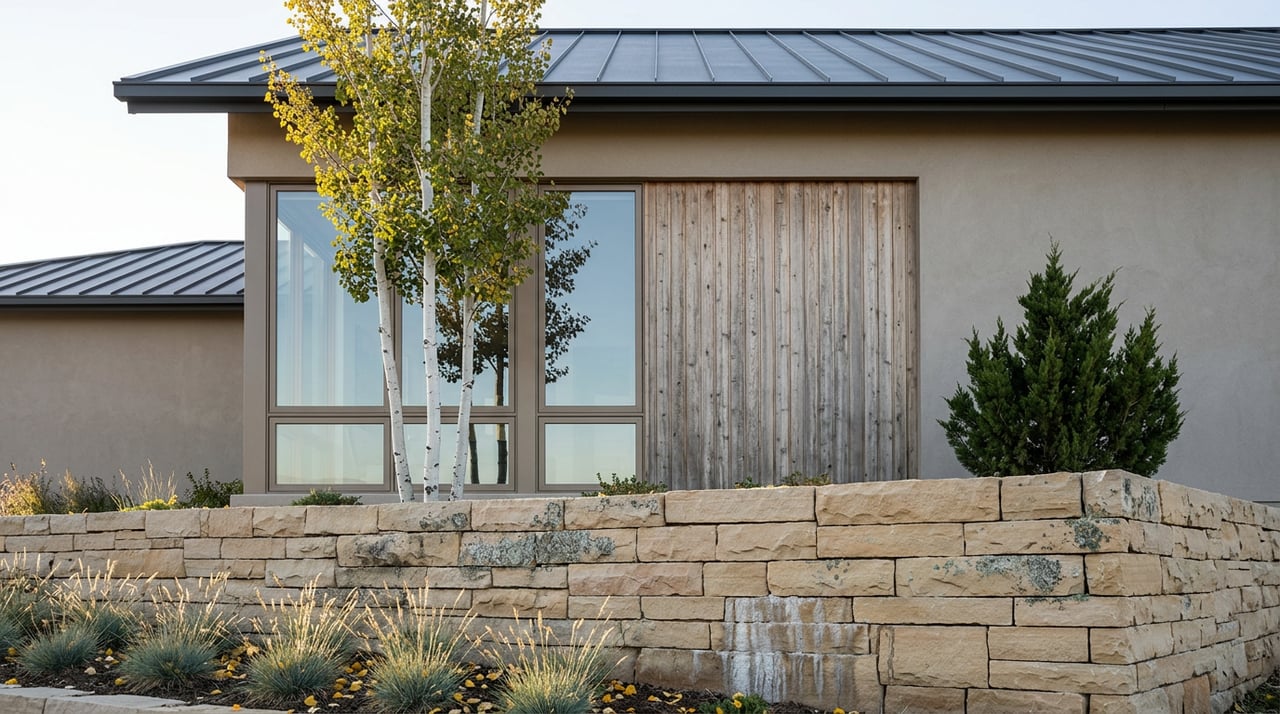
Even contemporary homes in Alpine rarely feel cold or overly stark. Instead, they often use natural stone, stucco, and wood accents to soften the look and keep it grounded in the mountain setting.
That balance matters. A home can feel current and refined without looking disconnected from Alpine’s rural atmosphere and visual character.
Traditional-inspired luxury is also very much part of Alpine’s current design direction. Recent listings include Modern Tudor homes, craftsman-style residences, and custom estates with more familiar rooflines and layered exterior materials.
For many buyers, that architectural familiarity still carries appeal. Stone, shingle, stucco, and wood-led palettes can feel timeless while still supporting updated interiors and modern floor plans.
In Alpine’s Gateway Historic District, the city’s design guidance is more specific. Stone, brick, wood, or stucco are encouraged as primary materials, natural color schemes are preferred, vertical window emphasis is encouraged, and traditional rooflines are favored.
Some of the most appealing homes sit in the middle. They combine traditional proportions or roof forms with cleaner detailing, brighter interiors, and larger glass openings.
That helps explain why newer Alpine homes can feel fresh without reading as boxy or overly futuristic. In this market, design often succeeds when it respects local character while still delivering the ease and openness buyers want today.
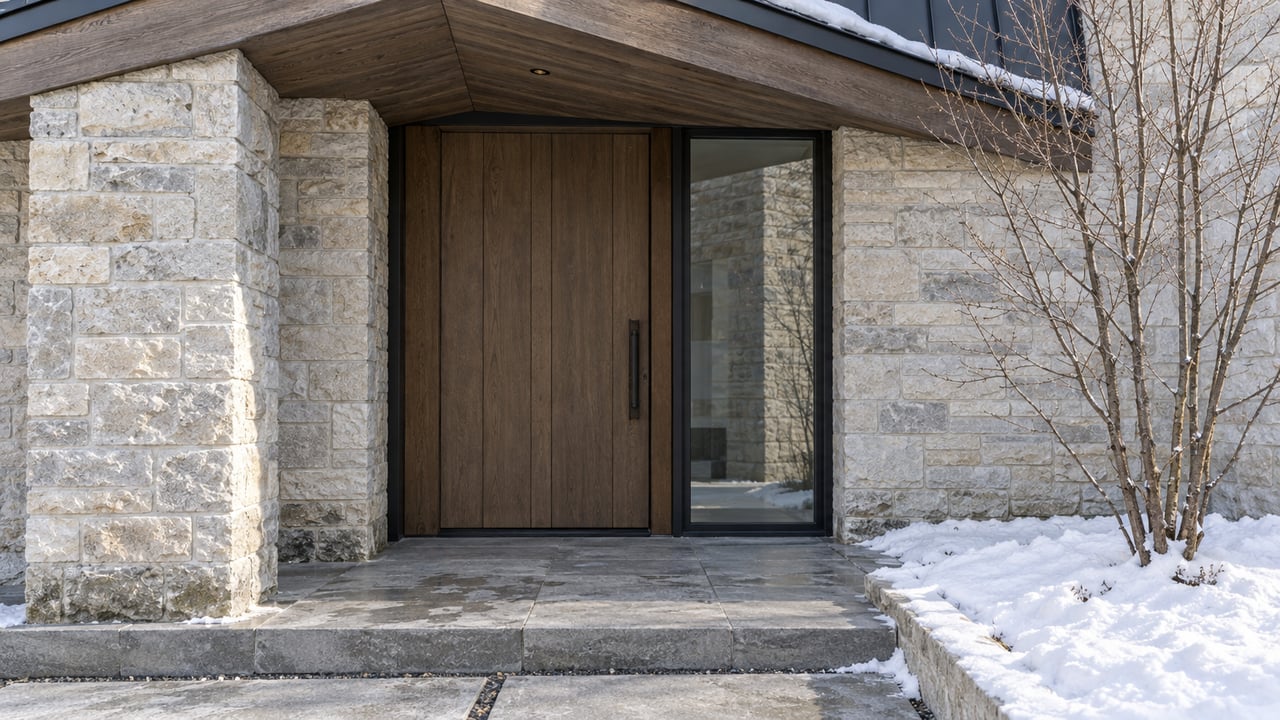
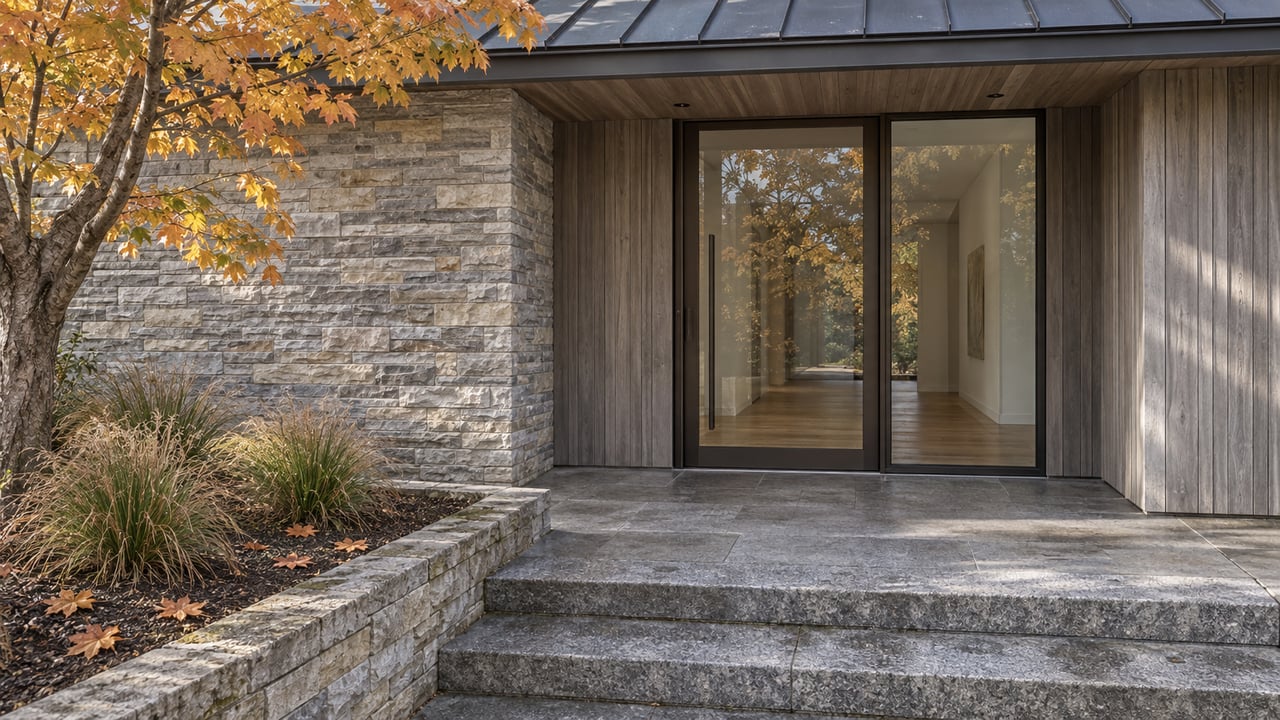
Material choice is one of the clearest common threads in Alpine luxury homes. Local guidance in the Gateway Historic District favors stone, brick, wood, and stucco, along with restrained palettes and natural hues.
The same guidance discourages pure white facades and busy color mixes. Instead, the preference is for the natural color of masonry or wood to dominate, supported by one or two accent colors.
You can see this reflected in recent listings. Many high-end homes use warm woodwork, stone exteriors, stucco finishes, engineered hardwood, and other durable textures rather than glossy surfaces or highly saturated colors.
Alpine’s guidance also emphasizes compatible height, scale, and facade rhythm. Roof forms are generally expected to feel traditional rather than dramatically futuristic.
That does not mean every luxury home must look the same. It means homes tend to perform best when they feel balanced in proportion and visually comfortable within the broader streetscape and landscape.
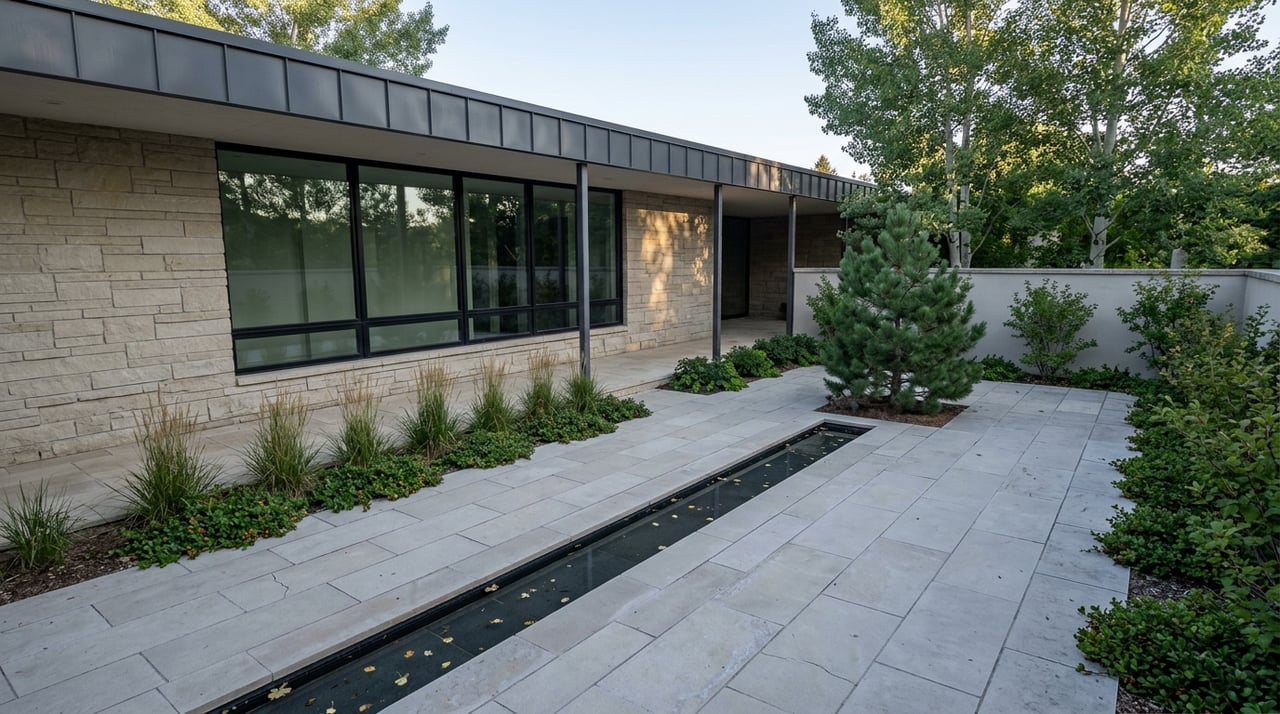
One of the clearest current design directions in Alpine luxury homes is the blending of indoor and outdoor living. Across recent listings, you see covered patios, balconies, walkouts, courtyards, outdoor kitchens, fire features, pools, spas, and large sliding or full-height glass openings.
This is more than a visual trend. In a place where open space, trails, and protected views are part of the community vision, outdoor rooms become part of how the home functions day to day.
For buyers, this often adds to the lifestyle appeal of the property. For sellers, strong outdoor usability can also make a home feel more complete and memorable.
The most successful outdoor areas usually do more than look beautiful in listing photos. They support gathering, privacy, relaxation, and easy movement between the home and the landscape.
In Alpine, that can mean a covered terrace for long summer evenings, a courtyard that adds shelter and intimacy, or a walkout lower level that opens directly to usable yard or view-oriented space.
Today’s Alpine luxury buyer is not looking only at exterior style. Current listings show repeated demand for homes that work exceptionally well in daily life.
Features that appear often include:
That pattern says a lot about the market. Buyers want privacy, entertaining potential, and views, but they also want a home that feels comfortable and practical every day.
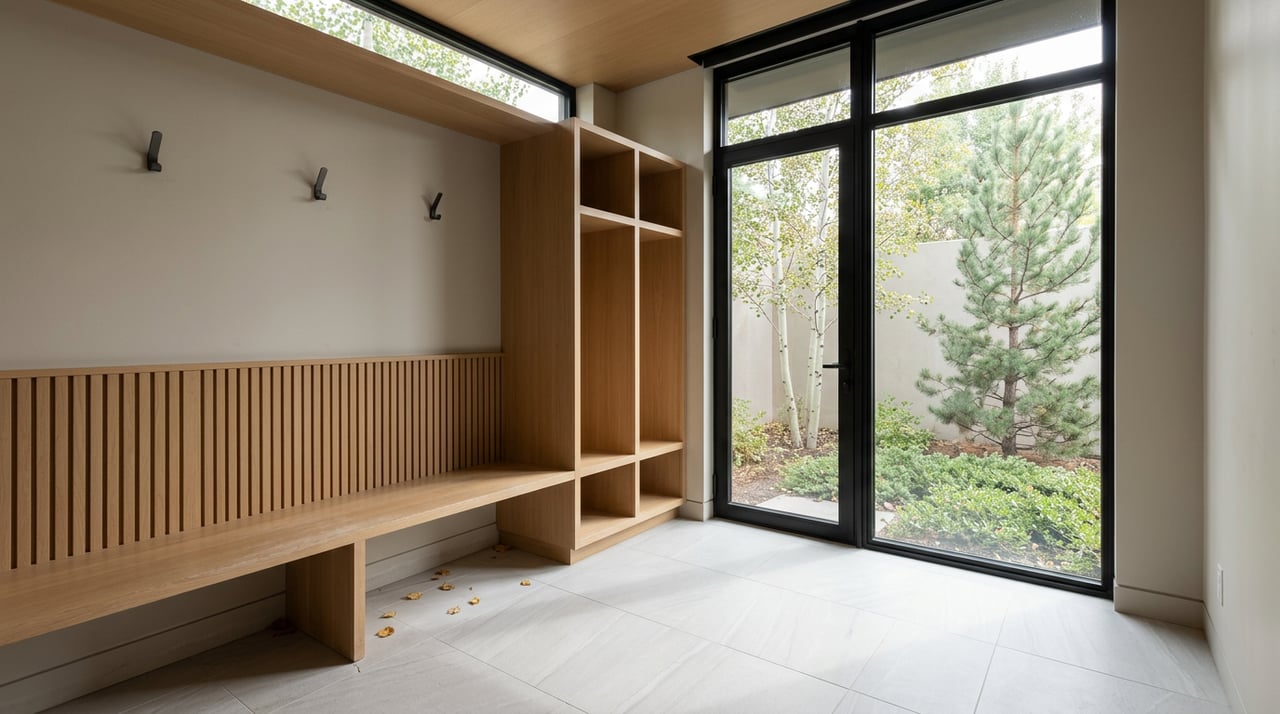
If you own an older luxury home in Alpine, the strongest resale updates tend to be thoughtful rather than flashy. Recent remodeled listings often highlight upgraded kitchens, larger islands, high-end appliances, improved storage, better laundry and mudroom function, vaulted or beam ceilings, and stronger indoor-outdoor flow.
Comfort and efficiency upgrades also show up in current listings. Sellers are leaning into features like solar, double insulation, radiant or heated floors, zoned comfort, and durable materials such as stone, wood, and engineered flooring.
In Alpine, the likely best path is to modernize without erasing the home’s site character. That often means improving layout, light, and function while keeping the property grounded in natural materials, views, and the overall feel of the setting.
For many sellers, that is a more effective strategy than chasing an extreme redesign. Buyers in this market appear to value homes that feel refreshed and livable, but still connected to Alpine’s landscape and architectural context.
If you are buying in Alpine, it helps to think beyond labels like “modern” or “traditional.” A home’s long-term appeal may depend more on how well it uses the site, captures views, supports outdoor living, and balances beauty with function.
If you are selling, design choices should be filtered through the local market, not national trends alone. Updates that feel natural to Alpine’s mountain setting, restrained material palette, and lifestyle patterns are more likely to resonate.
In a market like Alpine, luxury is not just about making a statement. It is about creating a home that feels rooted, useful, and enduring.
If you are weighing a purchase, renovation, or sale in Alpine, a local design-aware strategy can make a meaningful difference. For discreet guidance tailored to this market, connect with Echelon Luxury Homes.

Whether you’re searching for a secluded, Sundance mountain retreat or a custom masterpiece in Wasatch, Salt Lake, or Utah Counties, she offers a concierge-level experience designed to help you find a home that embodies your vision of the extraordinary.